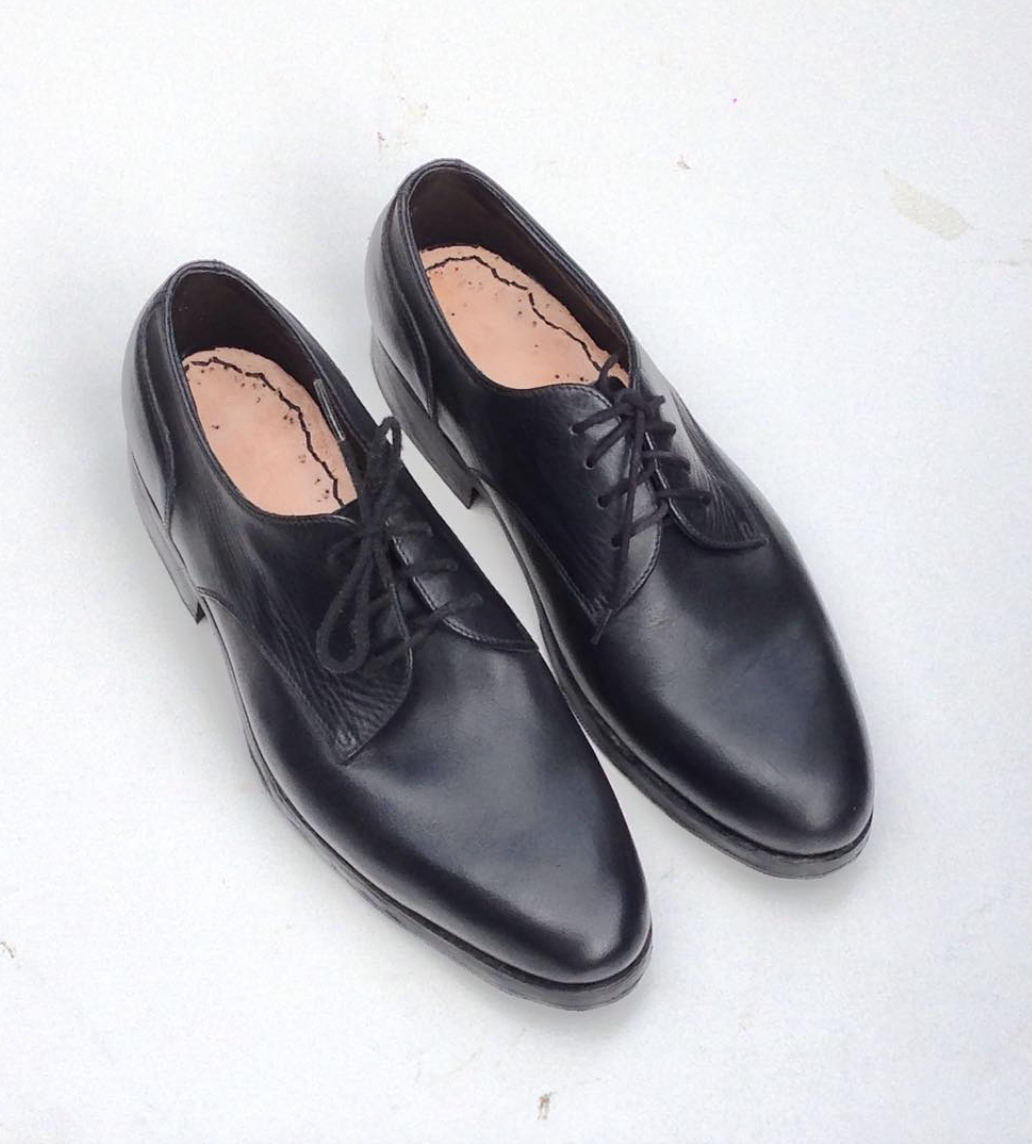
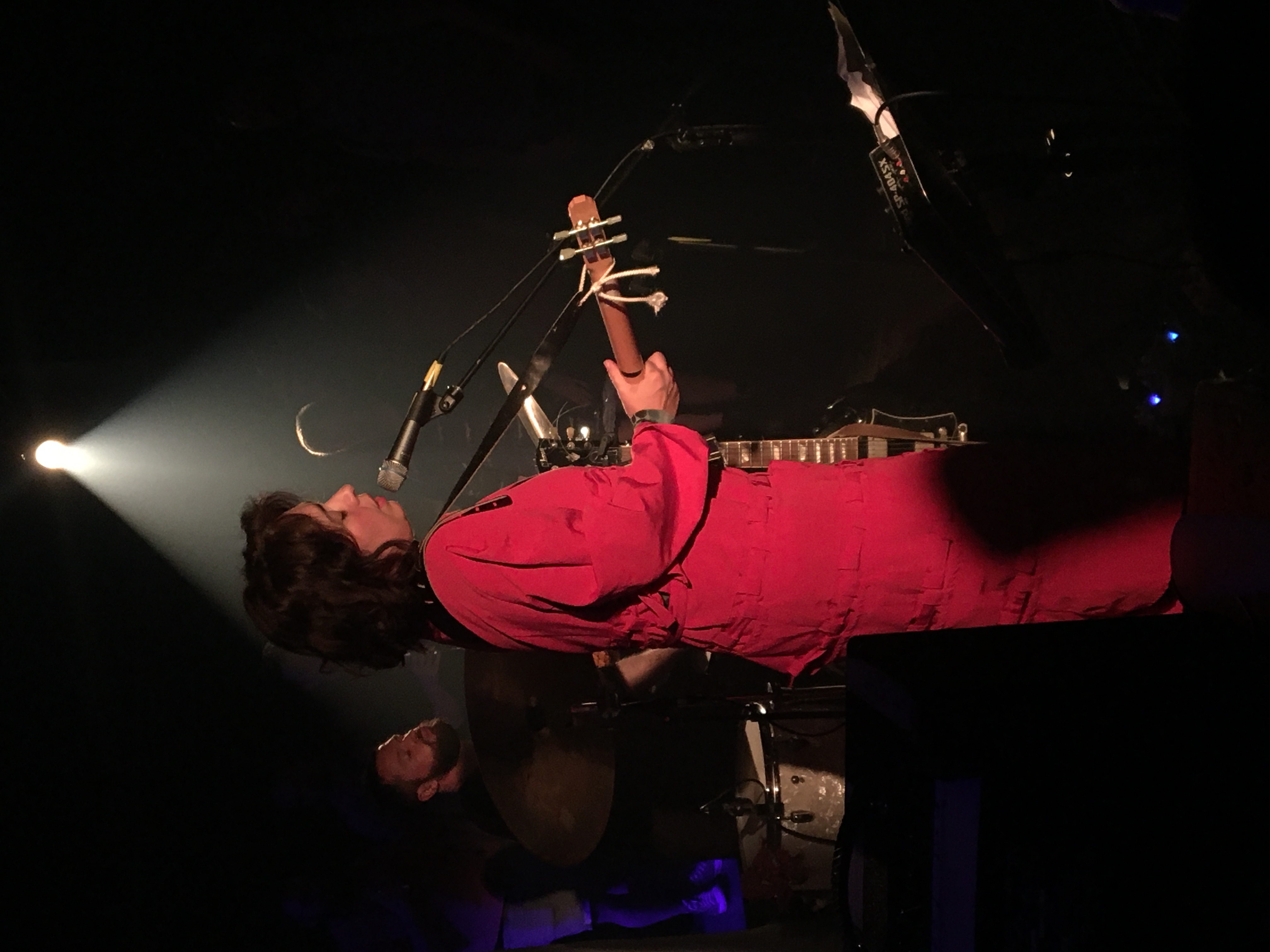
A Rock In My Shoe (2025)
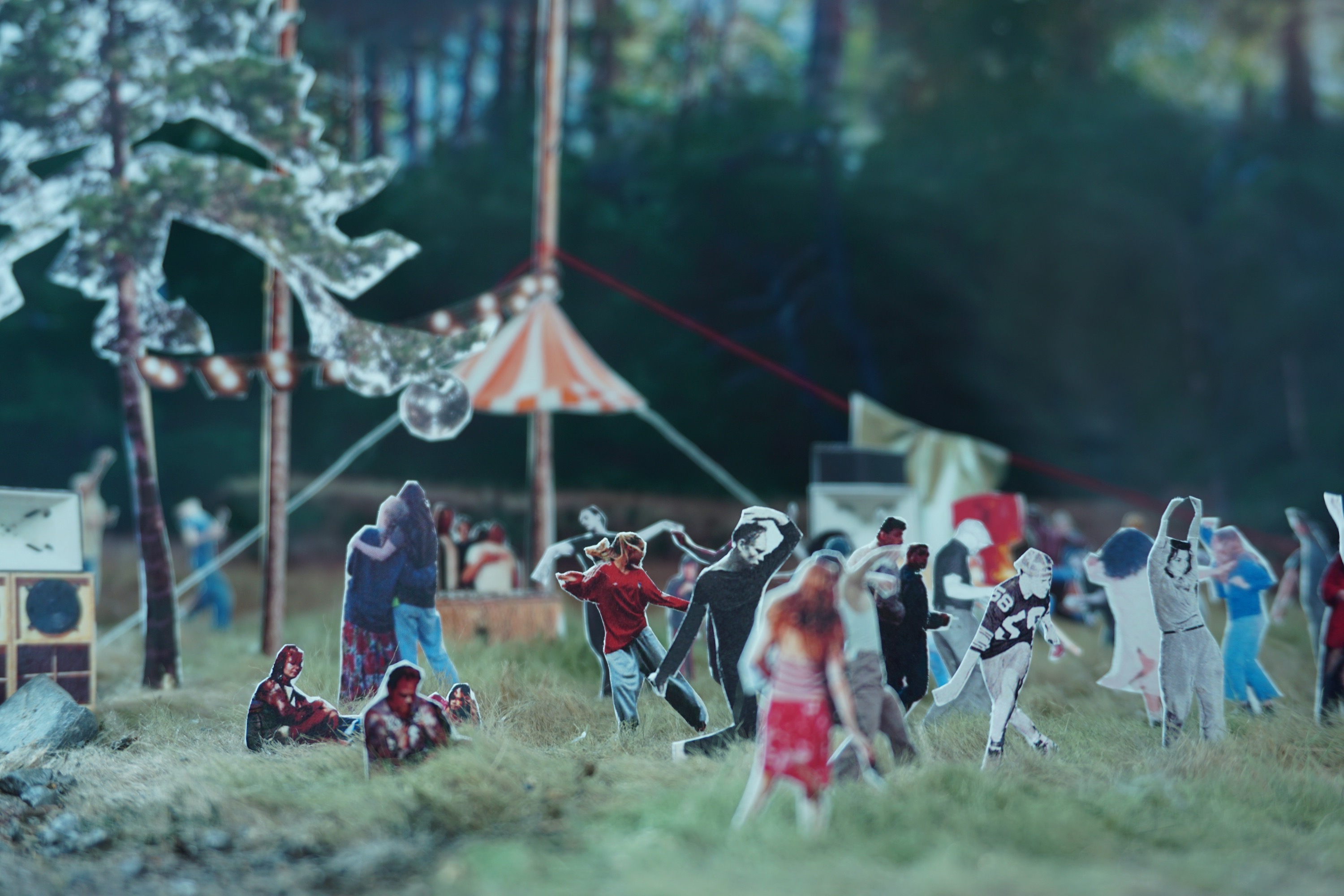
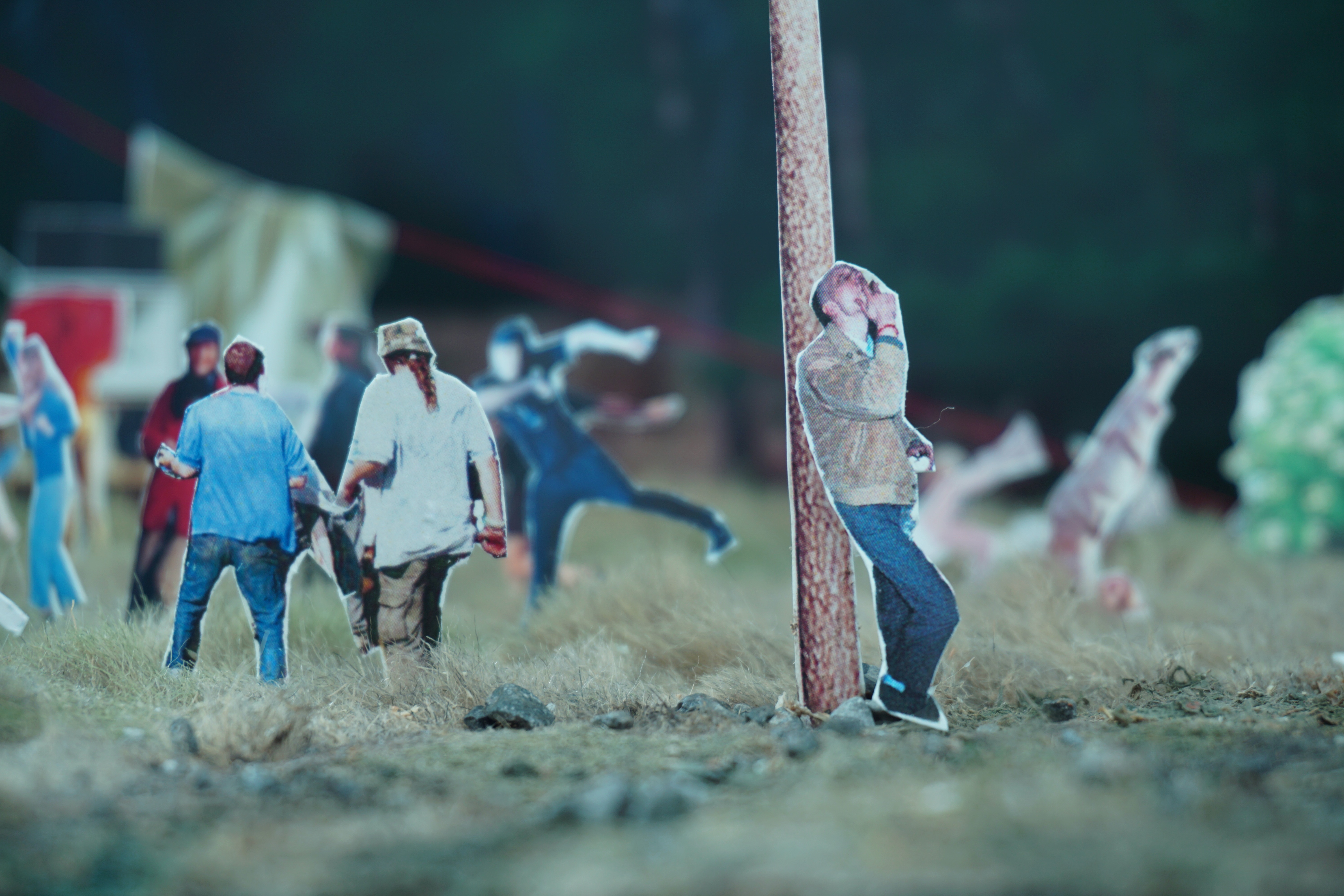
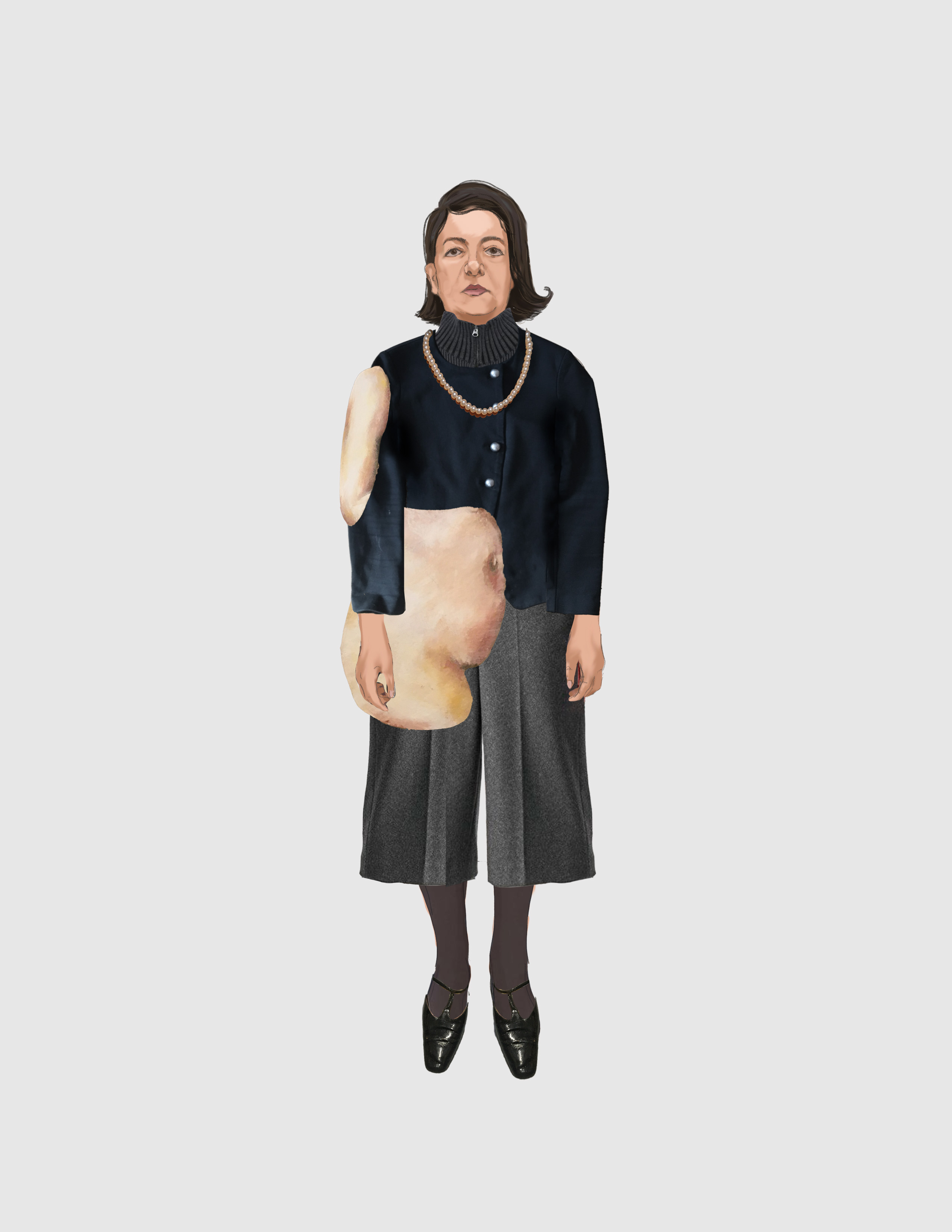
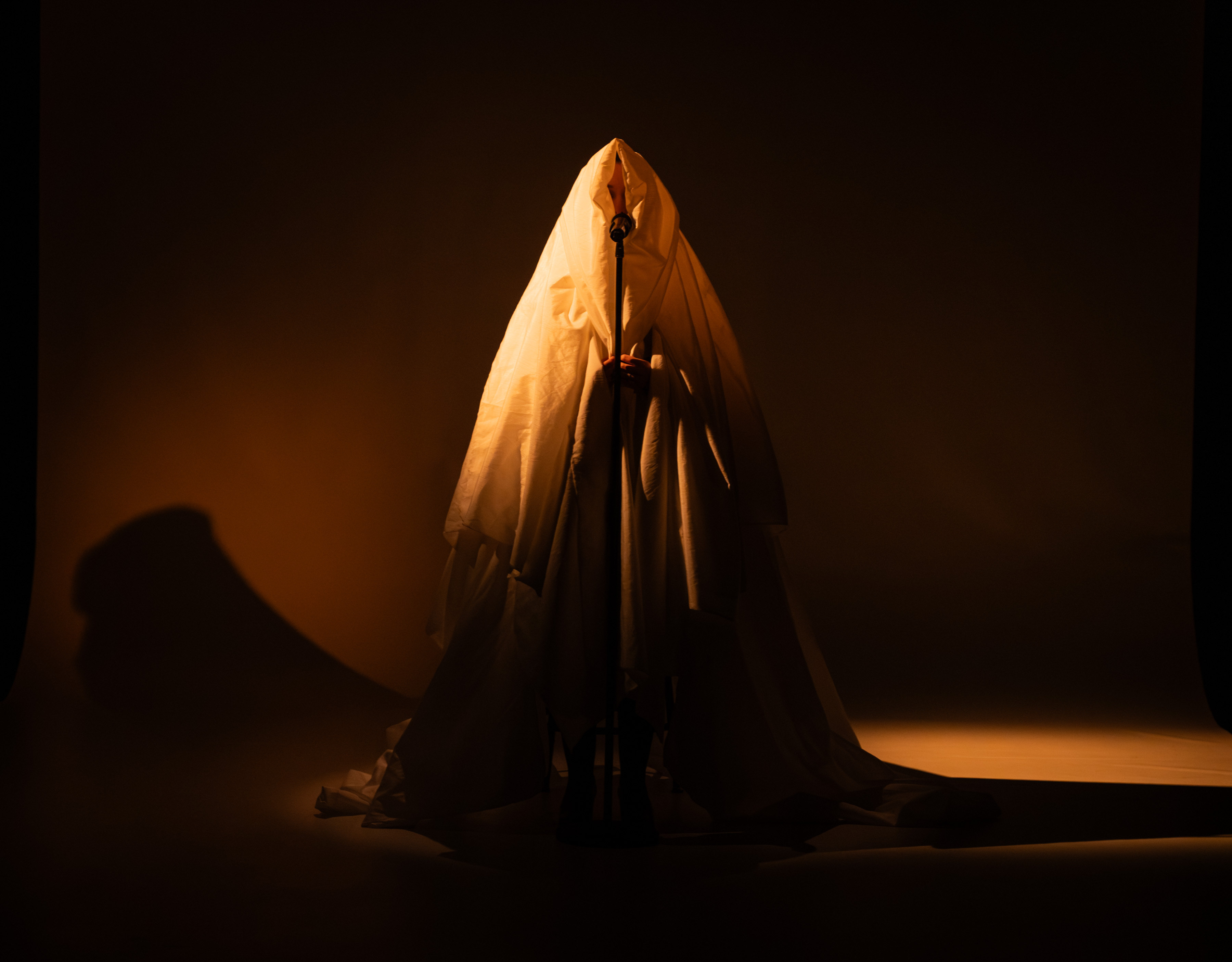
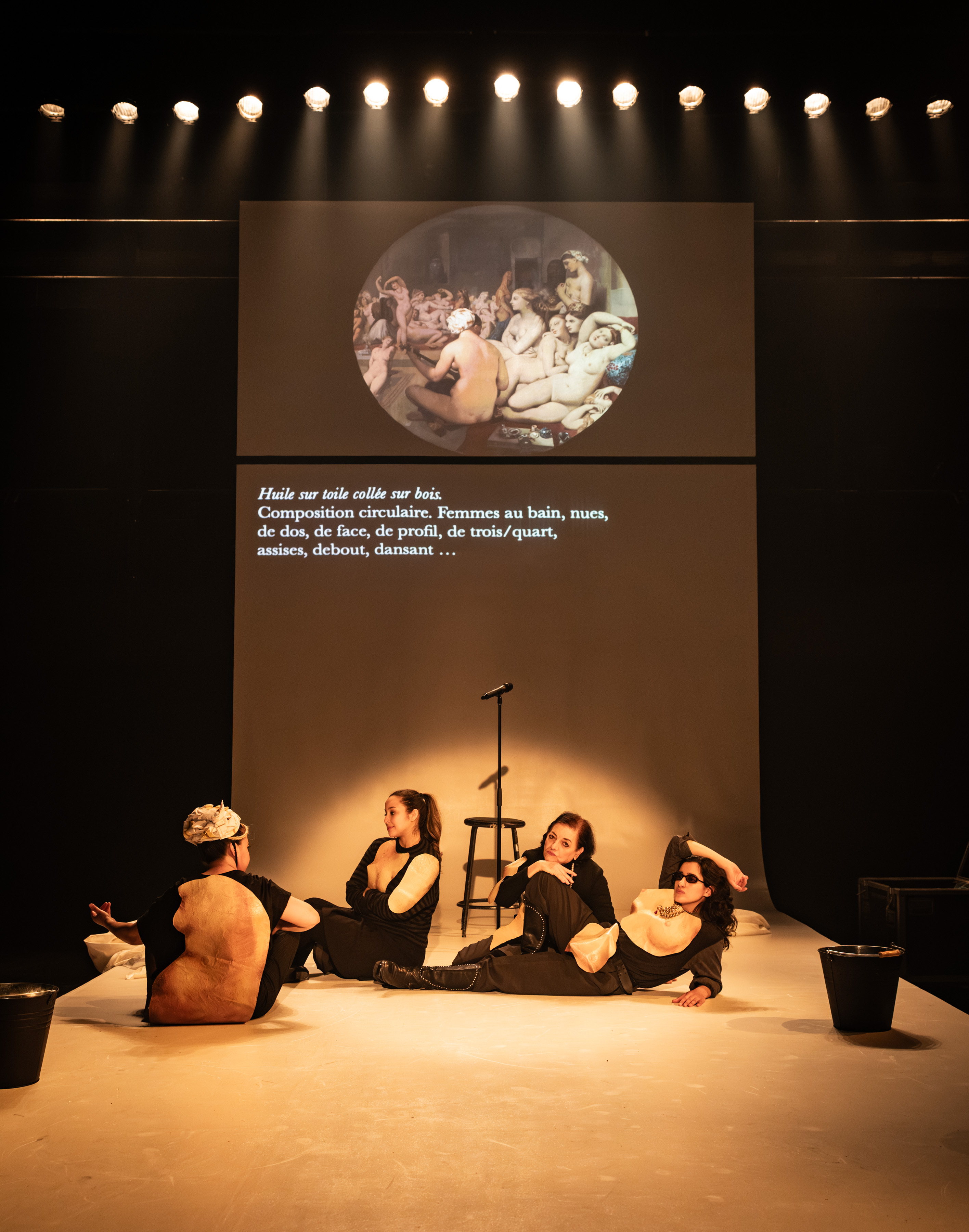
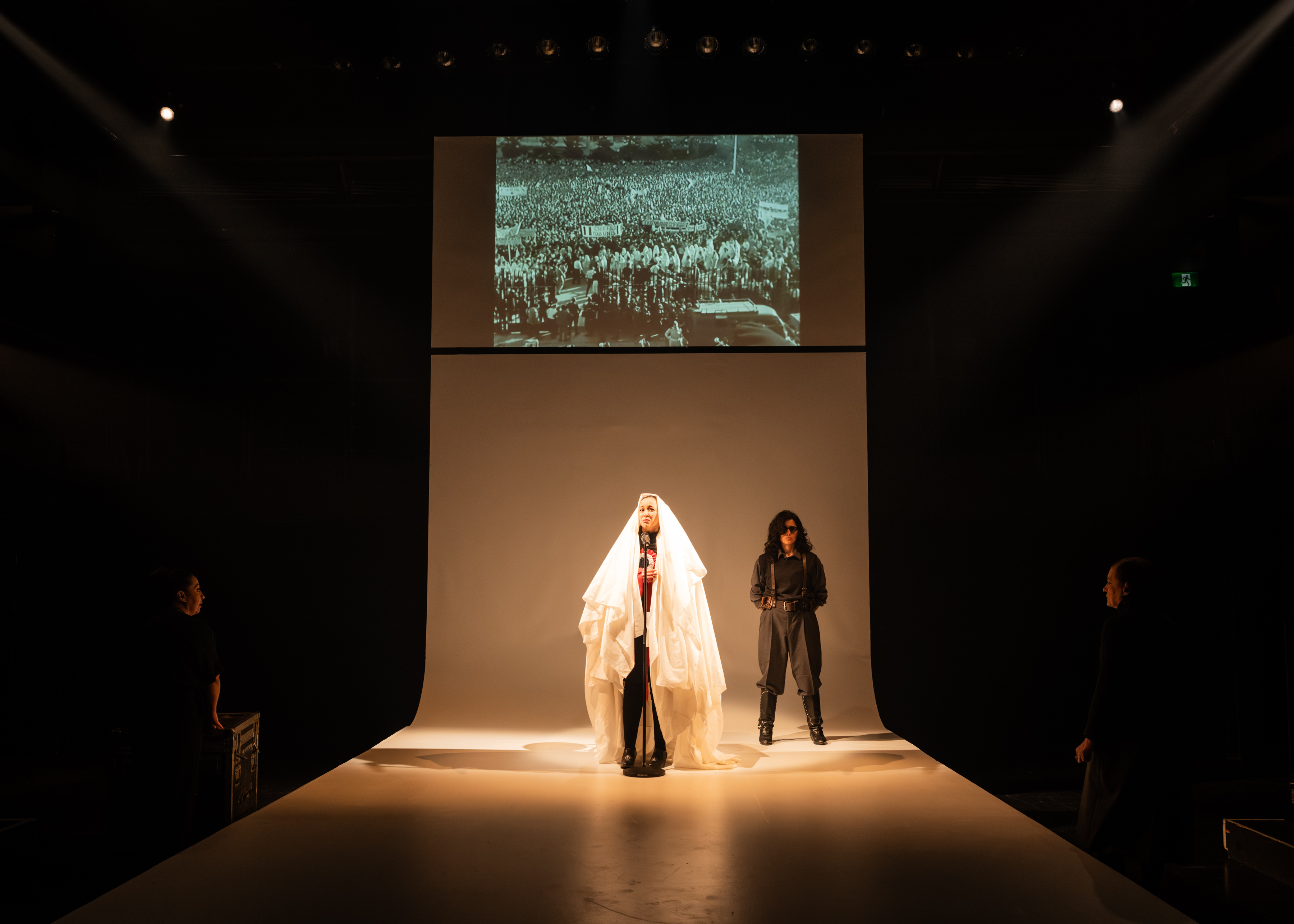
fatmas (2025)
Costume Design, Hair and Makeup
Playwright: Faiza Maskhouni
Director: Faiza Maskhouni
Set Designer: Marie-Ève Fortier
Costumes, Hair and Makeup Designer: Augusta Lutynski
Lighting and Video Designer: Marguerite Hudon
Photos: Maxime Côté
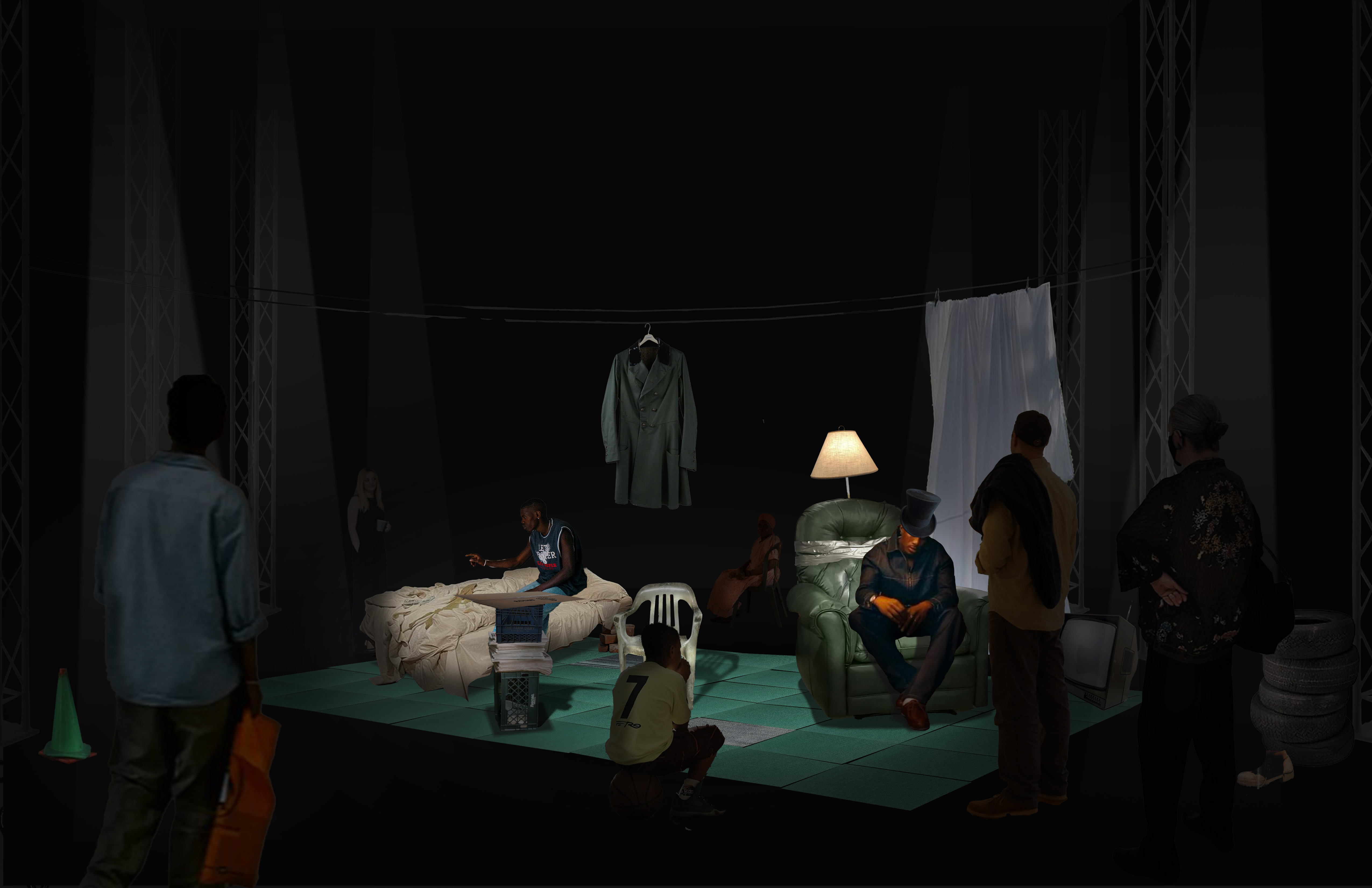
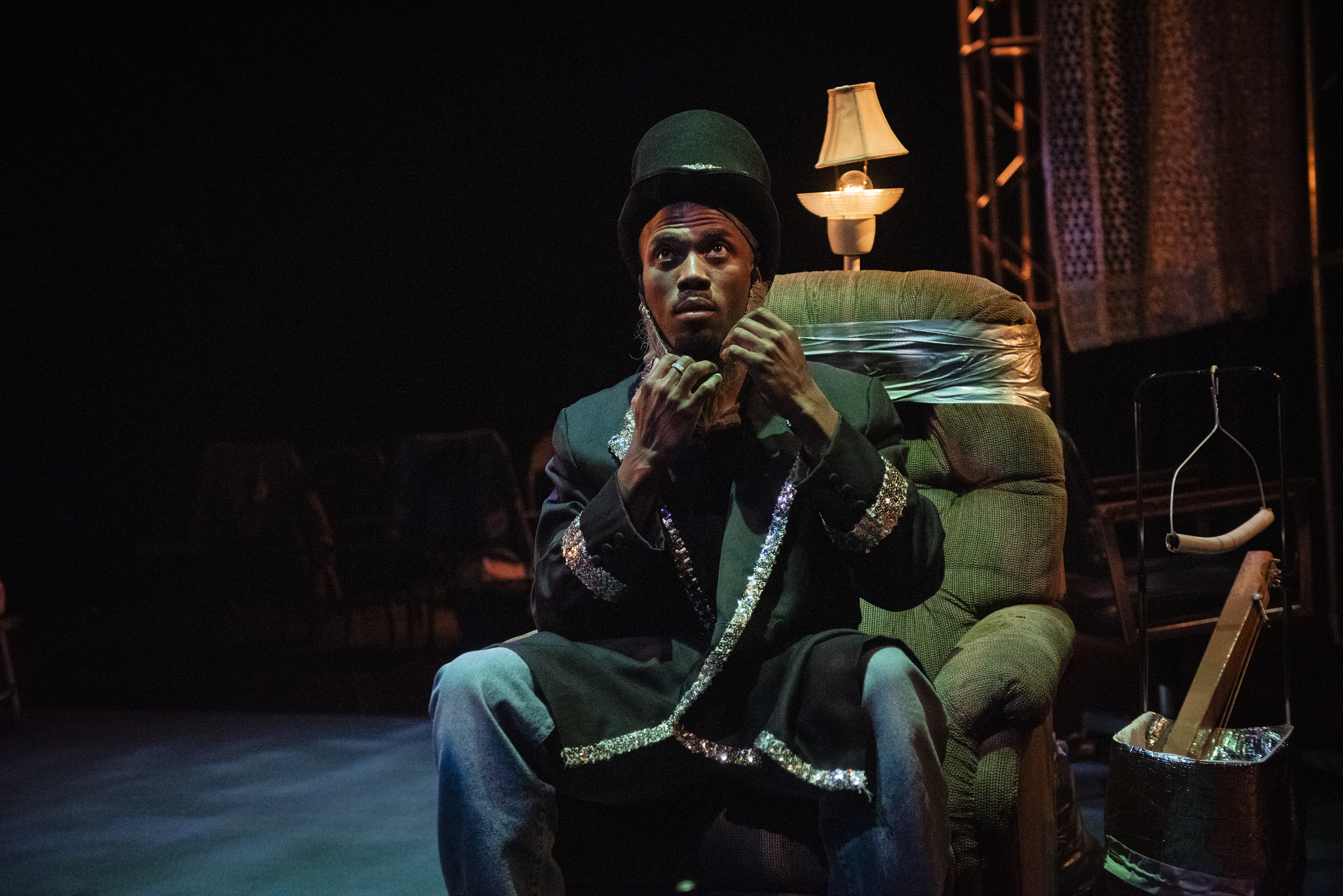
Topdog/Underdog (2025)
Set, Prop and Costume Design
Playwright: Suzan-Lori Parks
Director: Azal Dosanjh
Set and Props Designer: Augusta Lutynski
Costumes, Hair and Makeup Designer: Augusta Lutynski
Lighting Designer: Aurora Torok
Photos: Maxime Boisvert
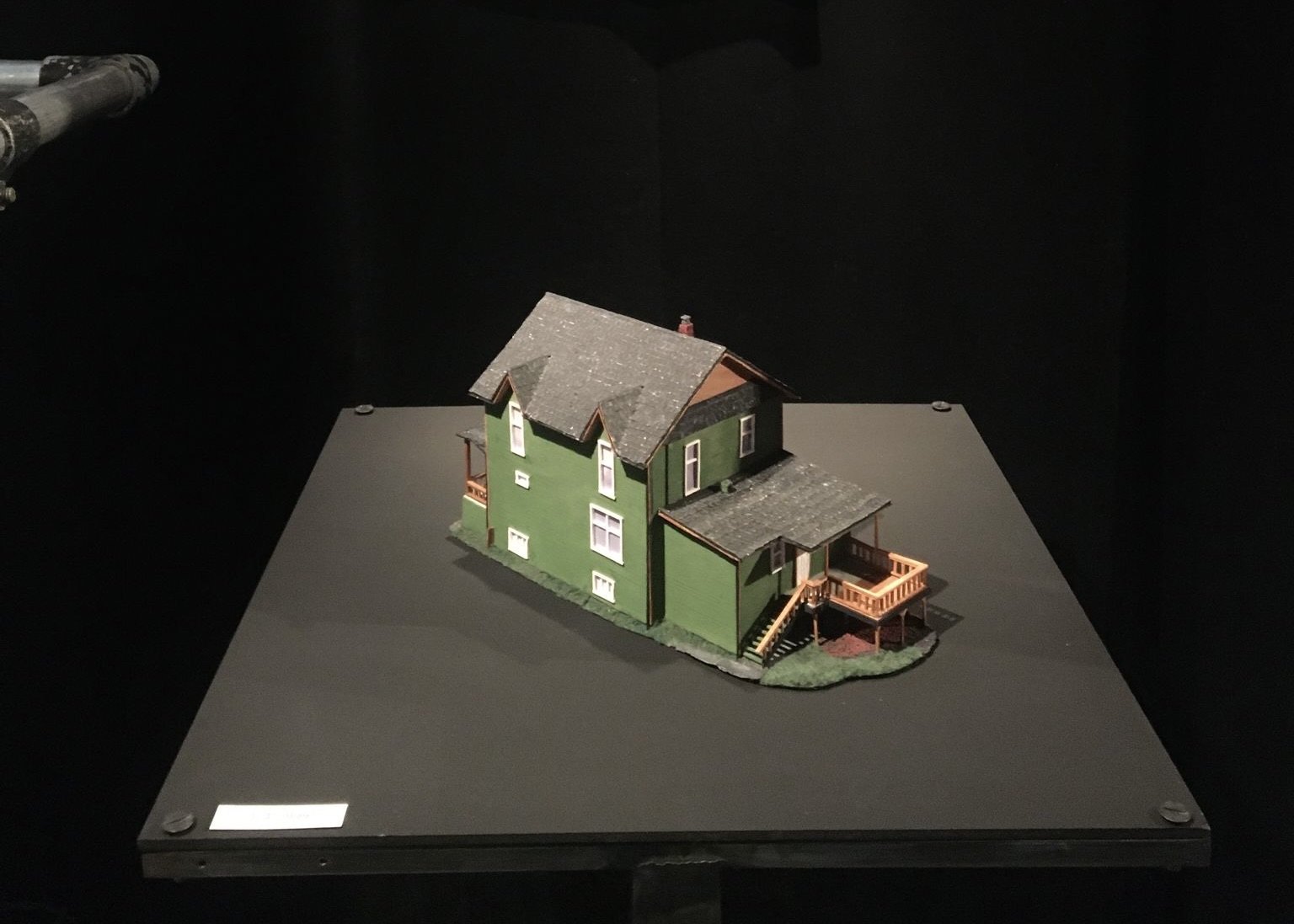
1/4" home (2024)
The ¼” windows rotting from the rain, ¼” white doors always locked, ¼” steps worn down,
¼” wood siding faded from the west sun, ¼” shingles for perching on,
¼” chimney that doesn't work, ¼” grass around the perimeter of the home,
¼” blue sky reflected in the windows.
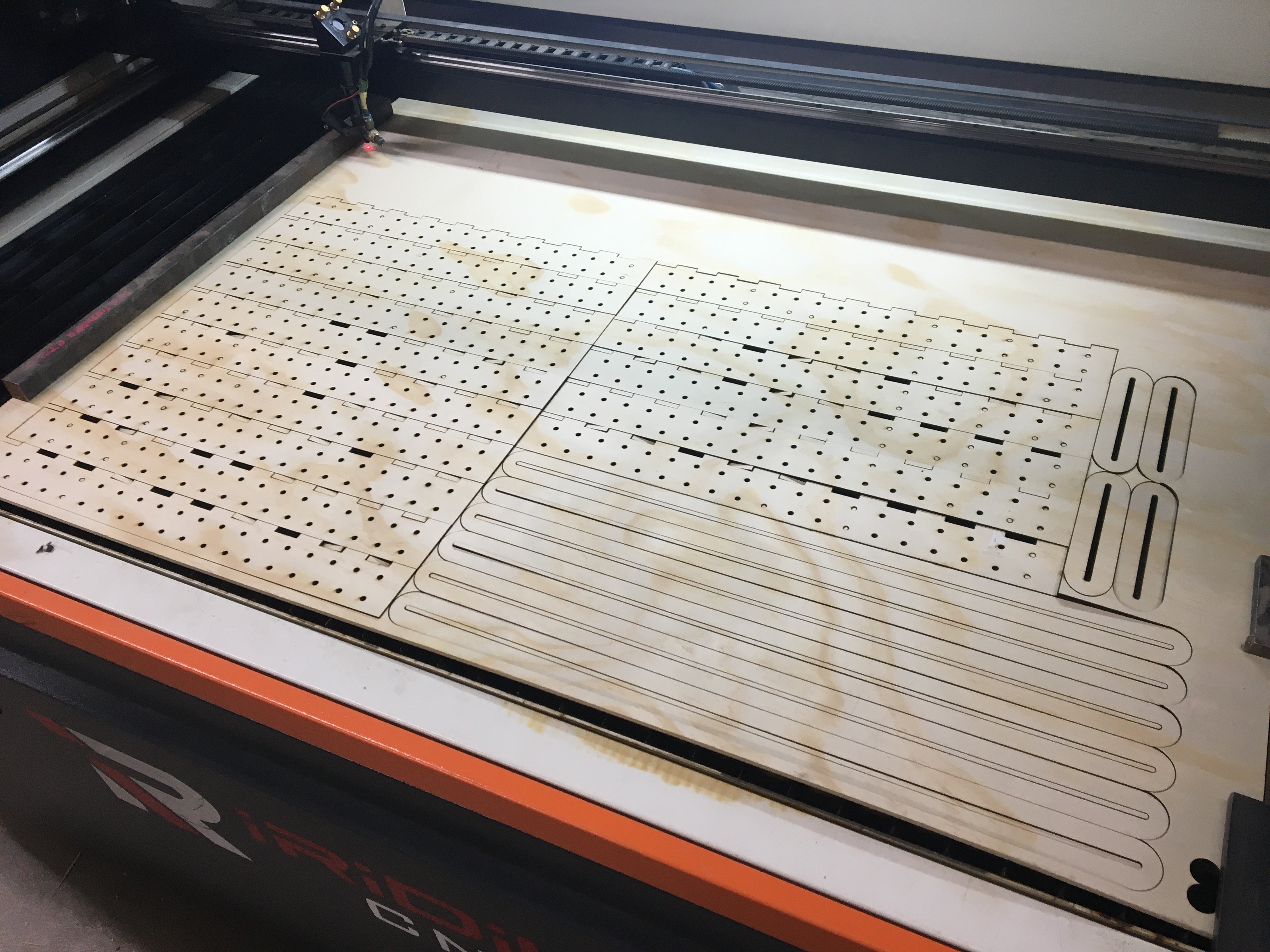
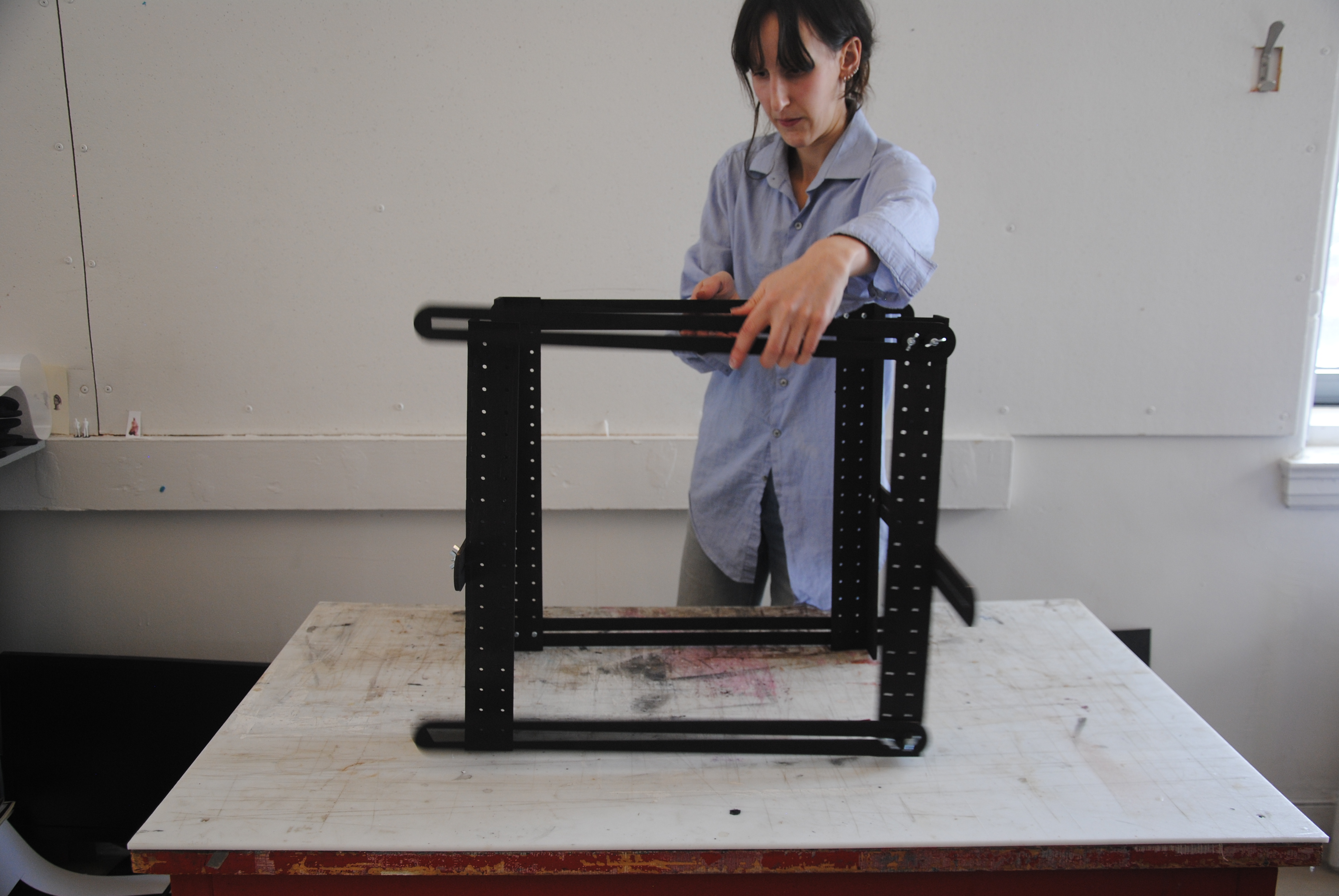
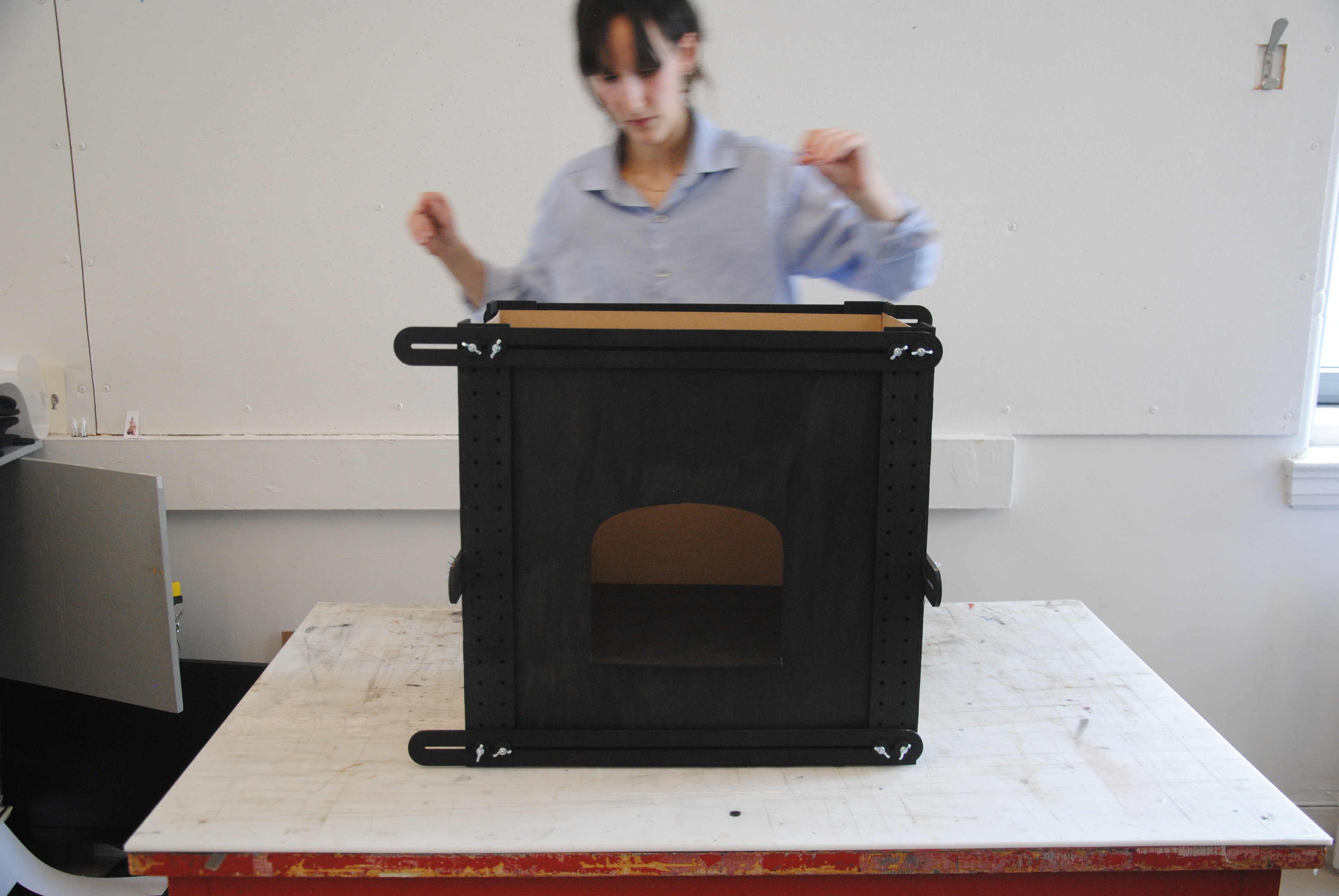
Unboxing the Black Box - Theatre Engaging Communities Grant (2024)
The goal of this project is to create an iterative tool for building
maquettes that moves away from the single-use foam core model. The
maquette offers a hands on way to stage ideas and problem-solve in
scaled-down space: a black box crafted to the shape of a theater that
typically includes the floor, walls, the proscenium arch, and other
details of the room. Currently, the main material used to build maquettes
is foamcore, a plastic-based material that cannot be recycled and is
rarely reused due to construction adhesives and size specificity. These
material qualities render the maquette inflexible, as each box is secured
to one project or space. Part of this project is exploring how tools like
maquettes may be more effective if they reflect and support the temporal
reality of this work. ‘Unboxing’ relates to a larger process of revisiting
the same tool and understanding it in different contexts. By not confining
the box to one theatrical world, there starts a process of developing a
modular framework to build, take apart, understand and re-work across
different scenography projects.
https://www.instructables.com/Unboxing-the-Black-Box-a-Modular-Scenography-Maque/
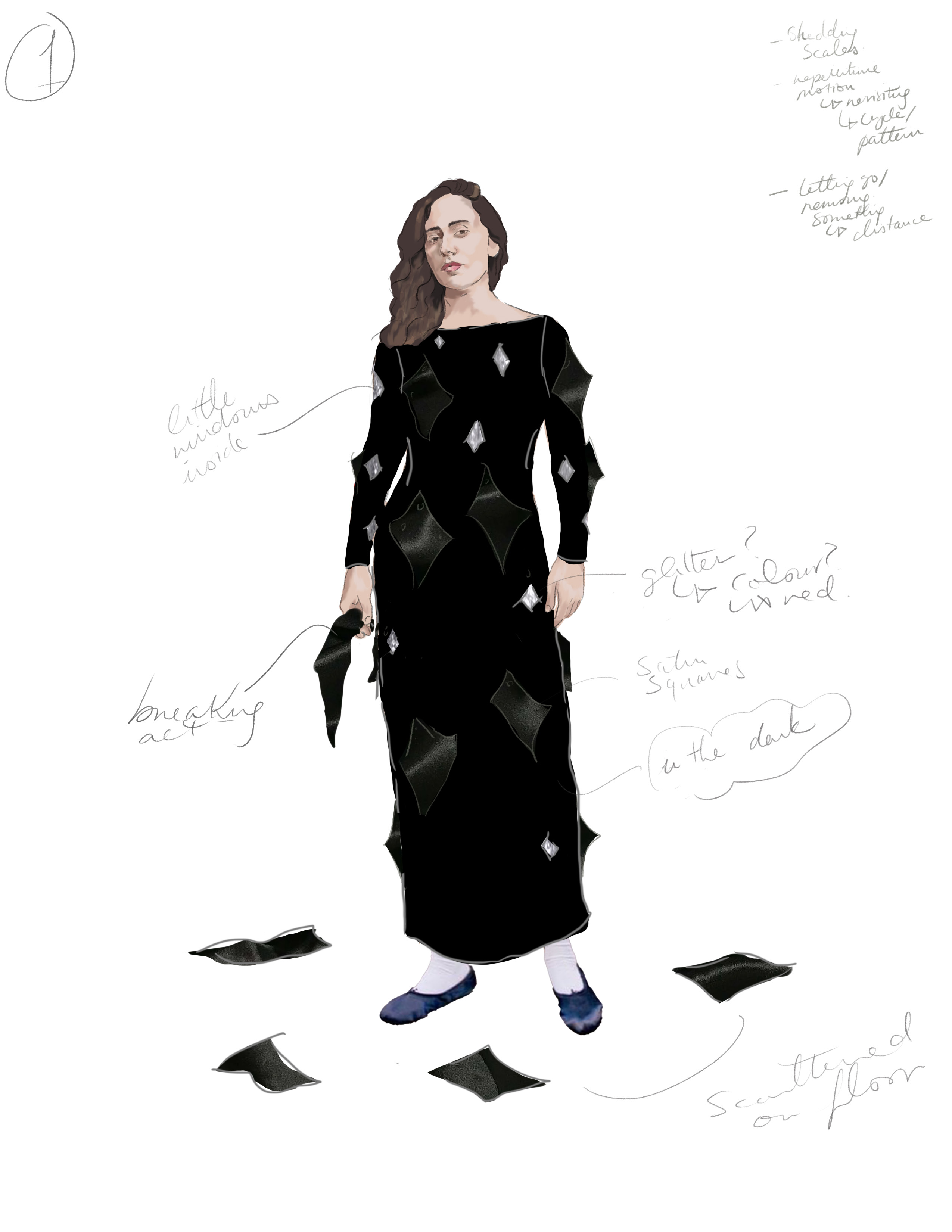
a dress for La Force (2024)
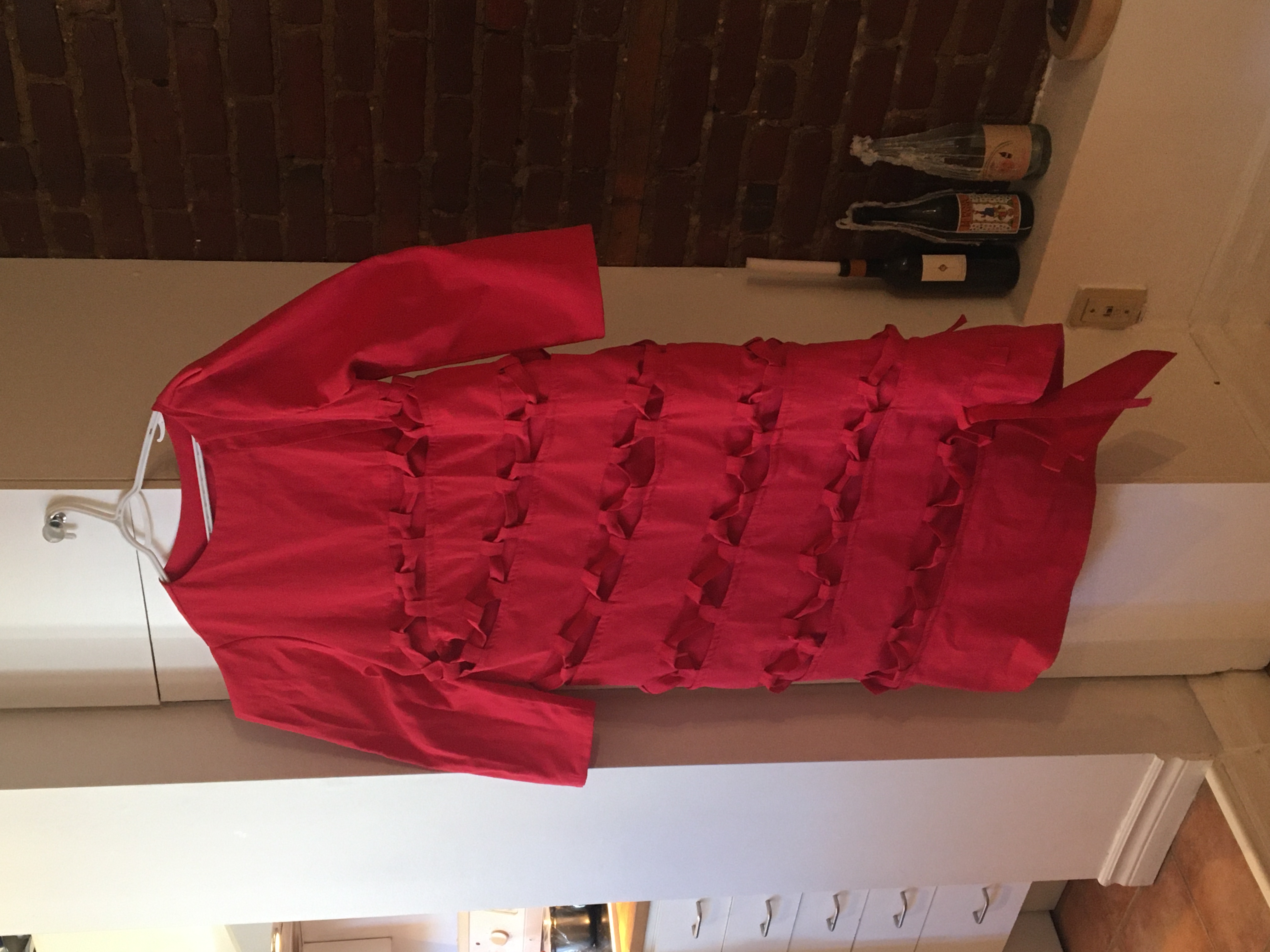
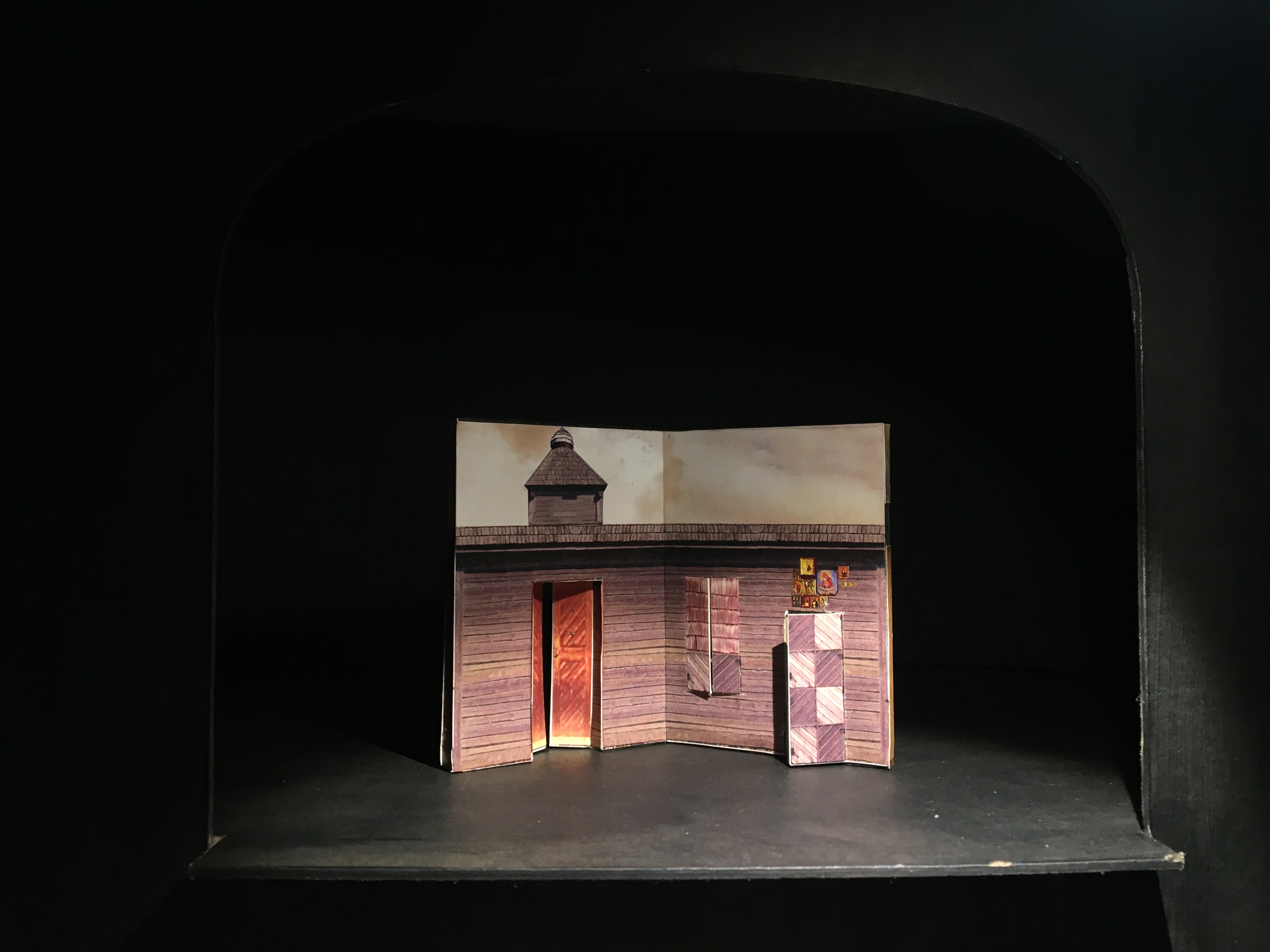
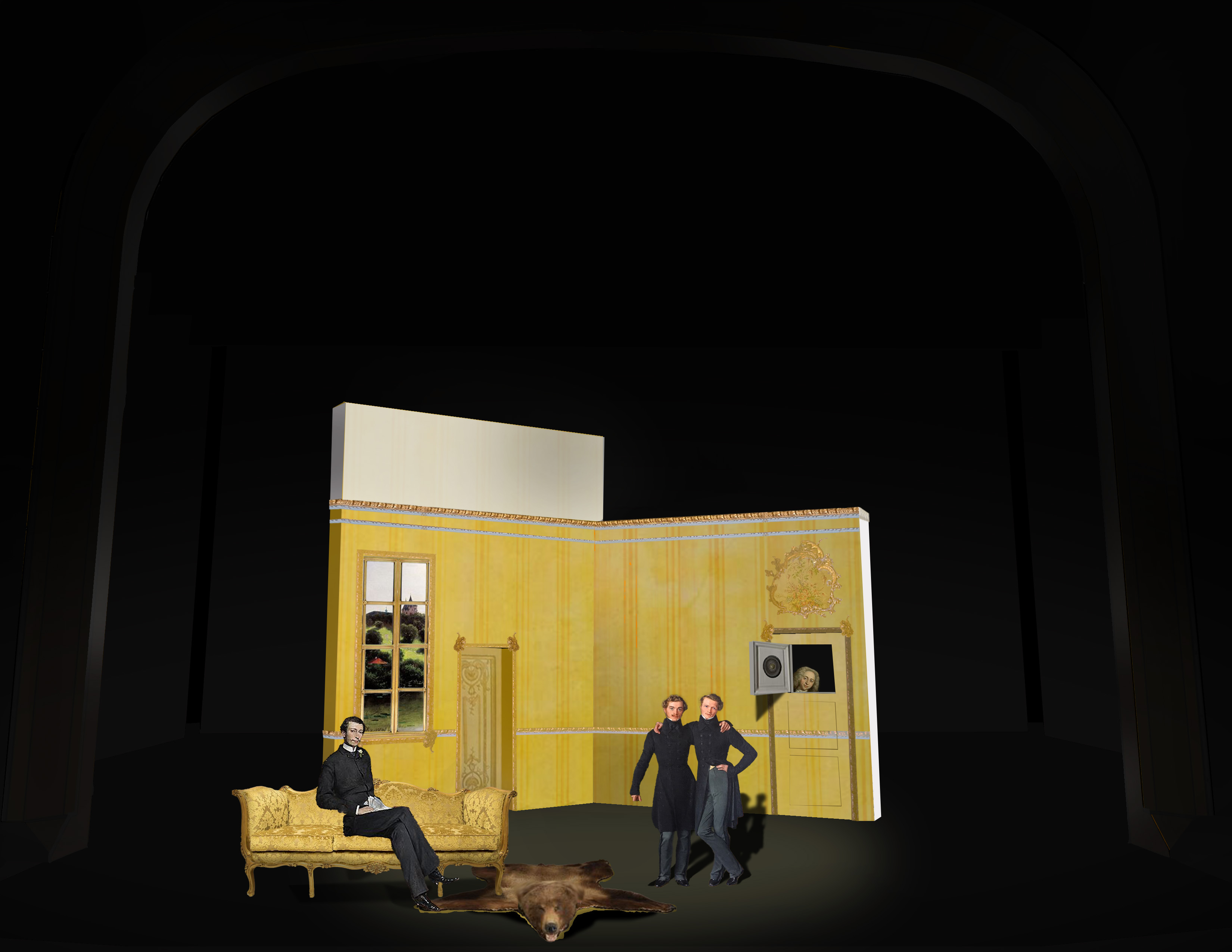
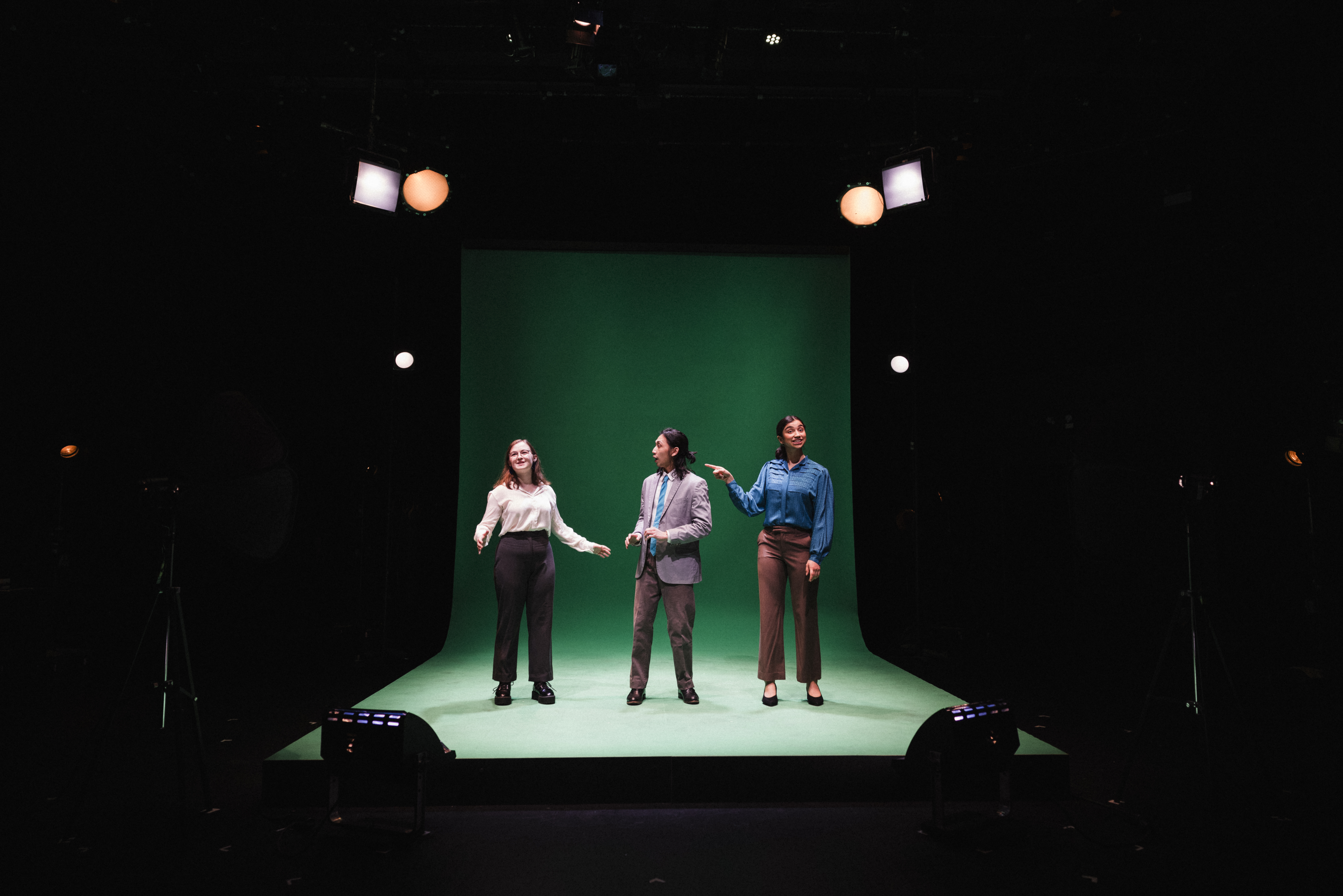
The Government Inspector (2024)
Set and Prop Design
Playwright: David Harrower
Director: Krista Jackson
Set and Props Designer: Augusta Lutynski
Costumes, Hair and Makeup Designer: Jess J. Jandera
Lighting Designer: Alex Sykes
Photos: Maxime Côté
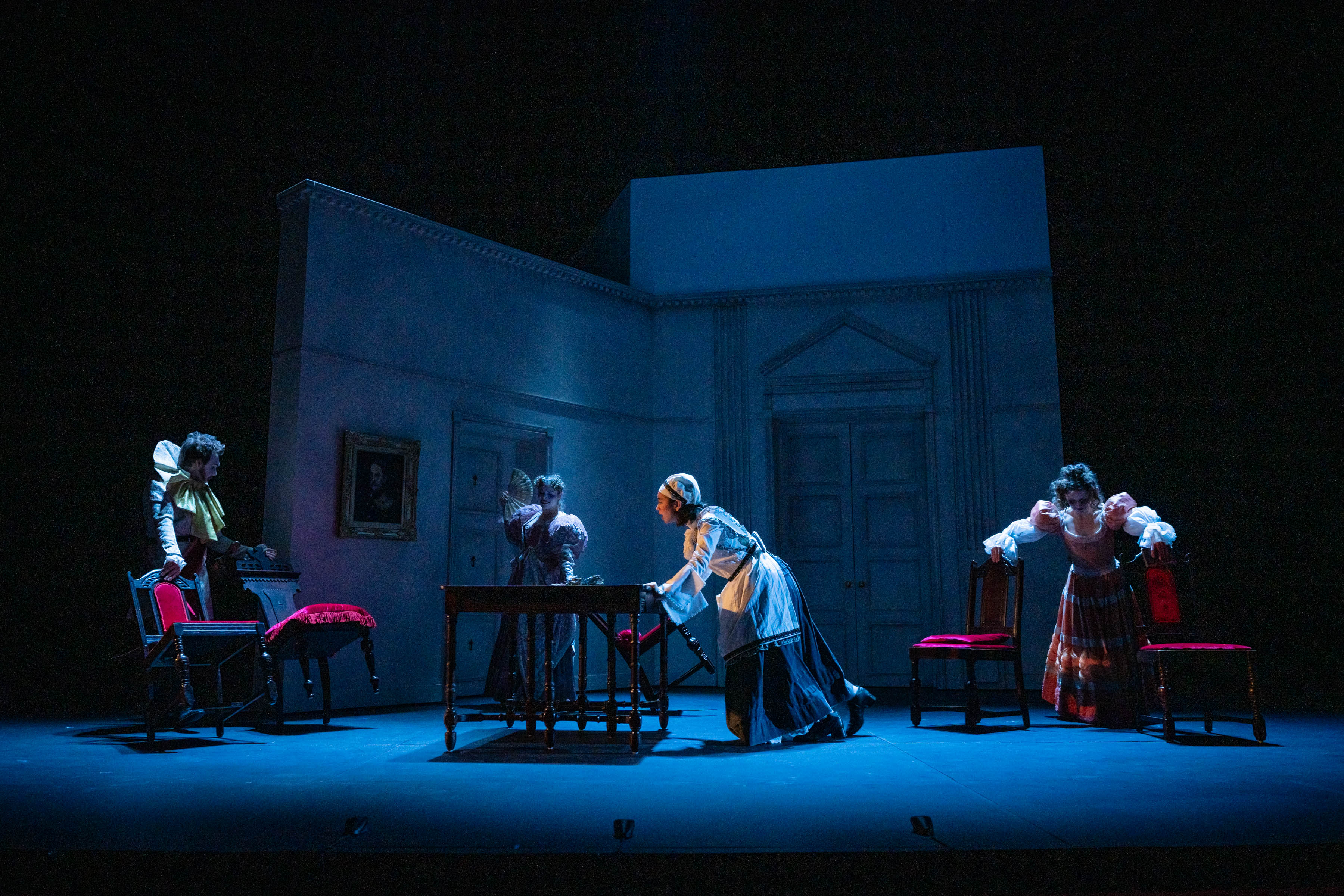
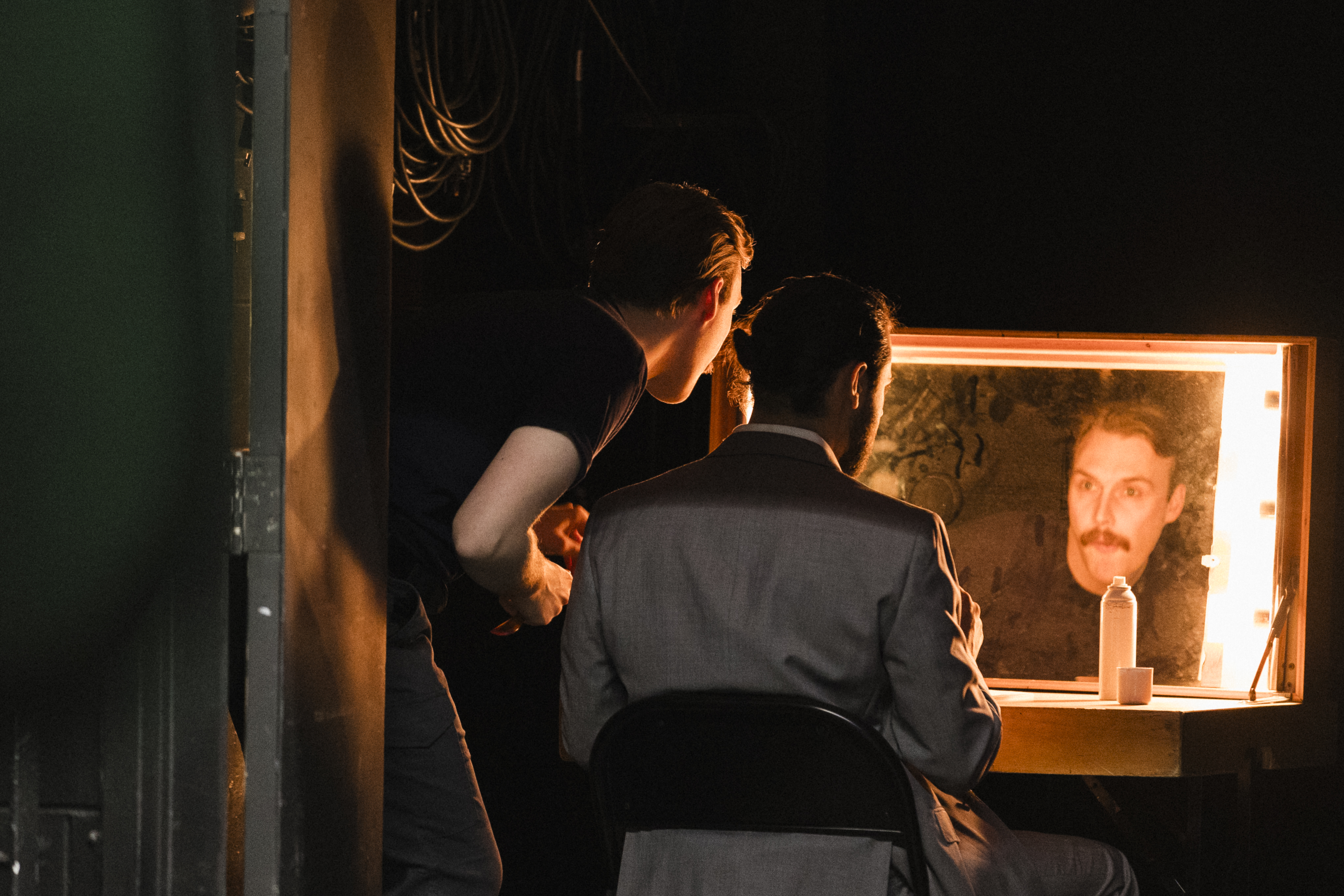
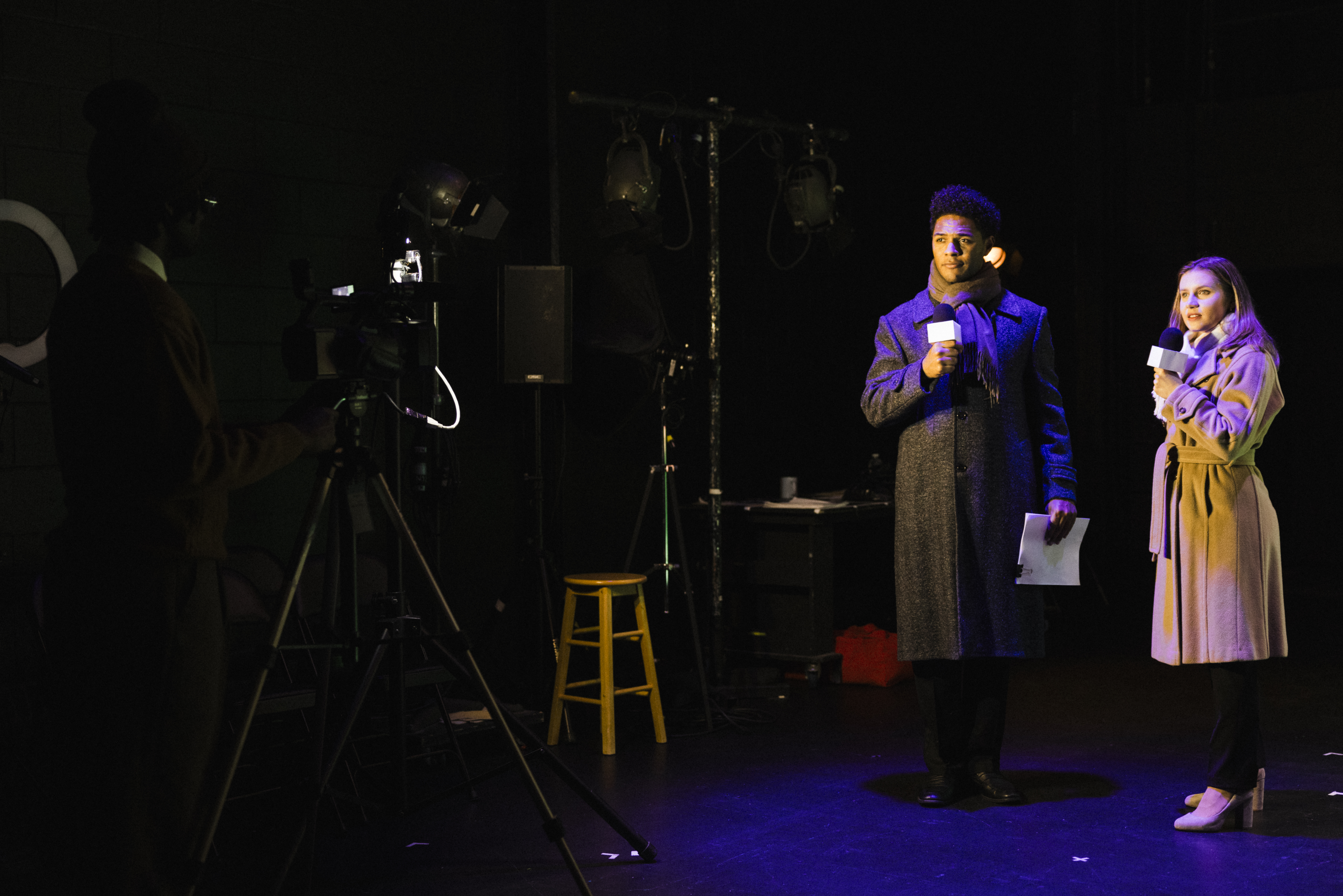
Attempts On Her Life (2024)
Set and Prop Design
Playwright: Martin Crimp
Director: Rose Plotek
Set and Props Designer: Augusta Lutynski
Costume Designer: Nikki Mabias
Lighting Designer: Andie McMillan
Photos: Vincent Morreale
Flower Press (2023)
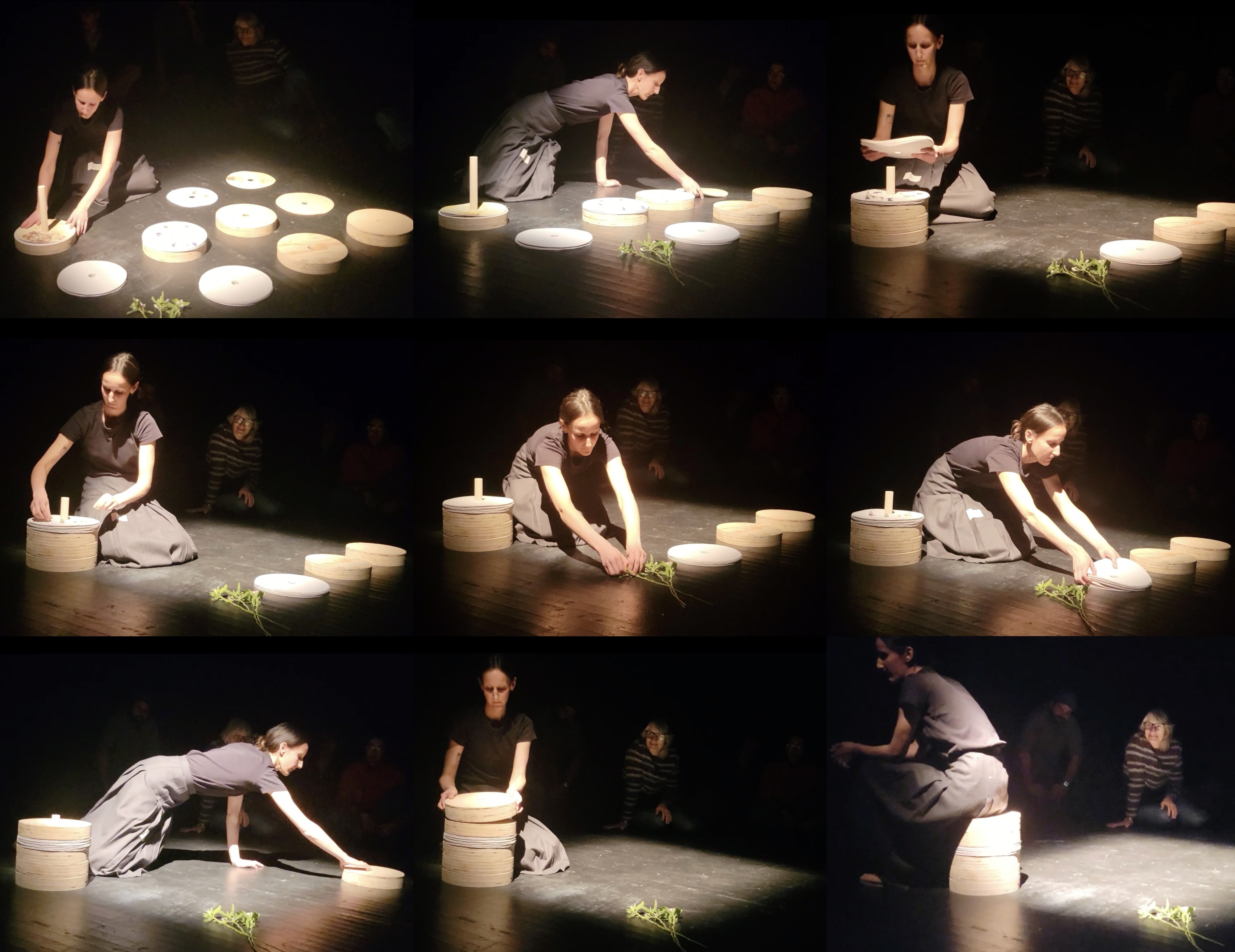
The Flower Press is a chair that requires body weight to properly preserve the flowers placed inside, demanding a level of stillness. The chair's design
includes some of the flowers my babcia collected in Siberia and her writings from the steppe.
Welcome to Our Home (2021)
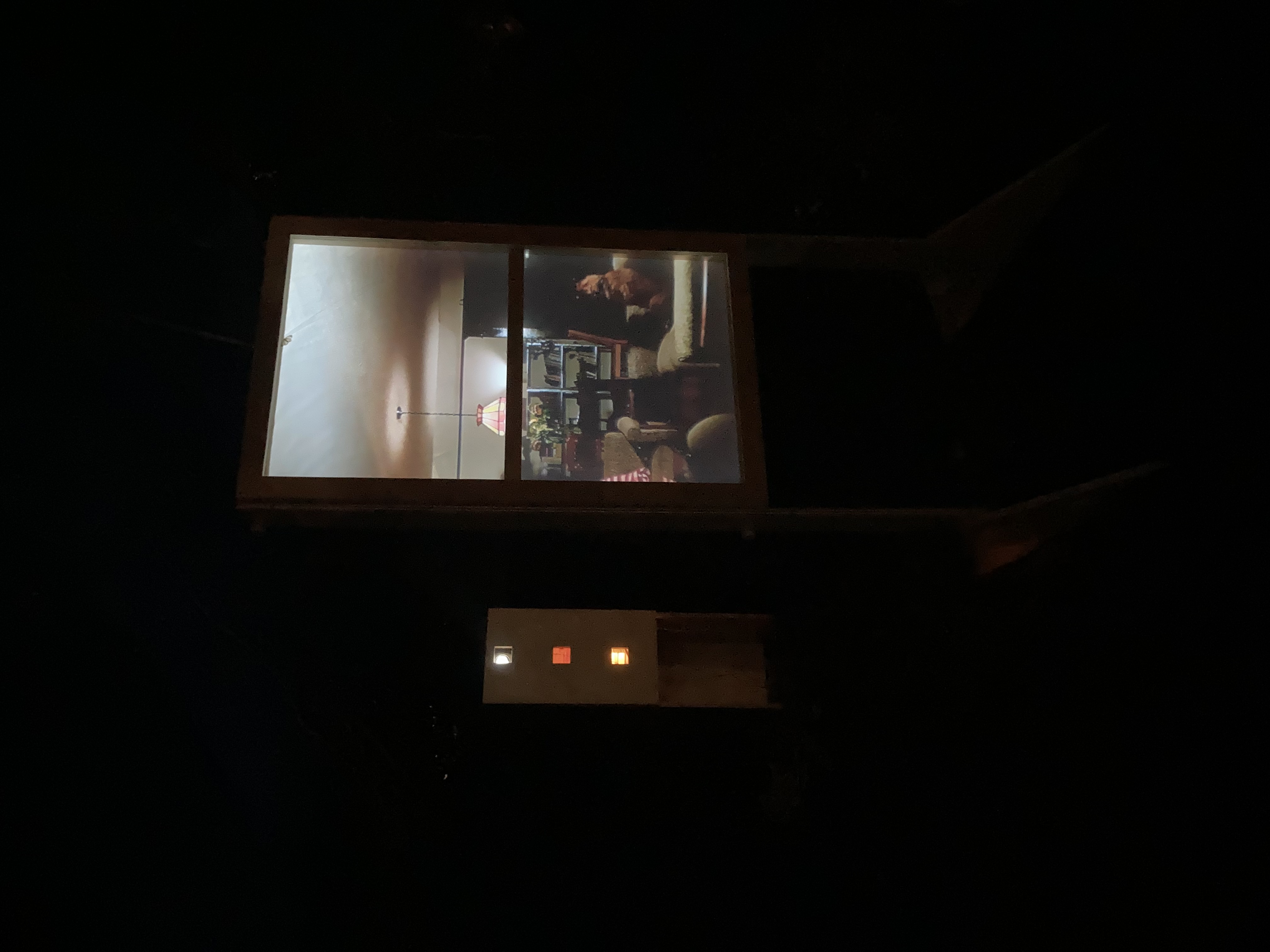
Observing the liminal state of public/ private that is brought about by
light
Considering the in-betweens of public and private space – a window at
night balances this apparent duality. While the happenings within a home
are hidden during the day, a window at night might share the personal
setting of a home to those passing by. This installation presents a scene
in the private sphere and invites the viewer to gaze and experience the
intimacy of another’s dwelling. While looking, one might notice rituals,
belongings, personal exchanges, and feel the presence of others in a
distanced space. In these observational moments spaces are shared and
boundaries blurred by means of ‘light’.
Duration: 3 hrs
Mishap Journal (2021)
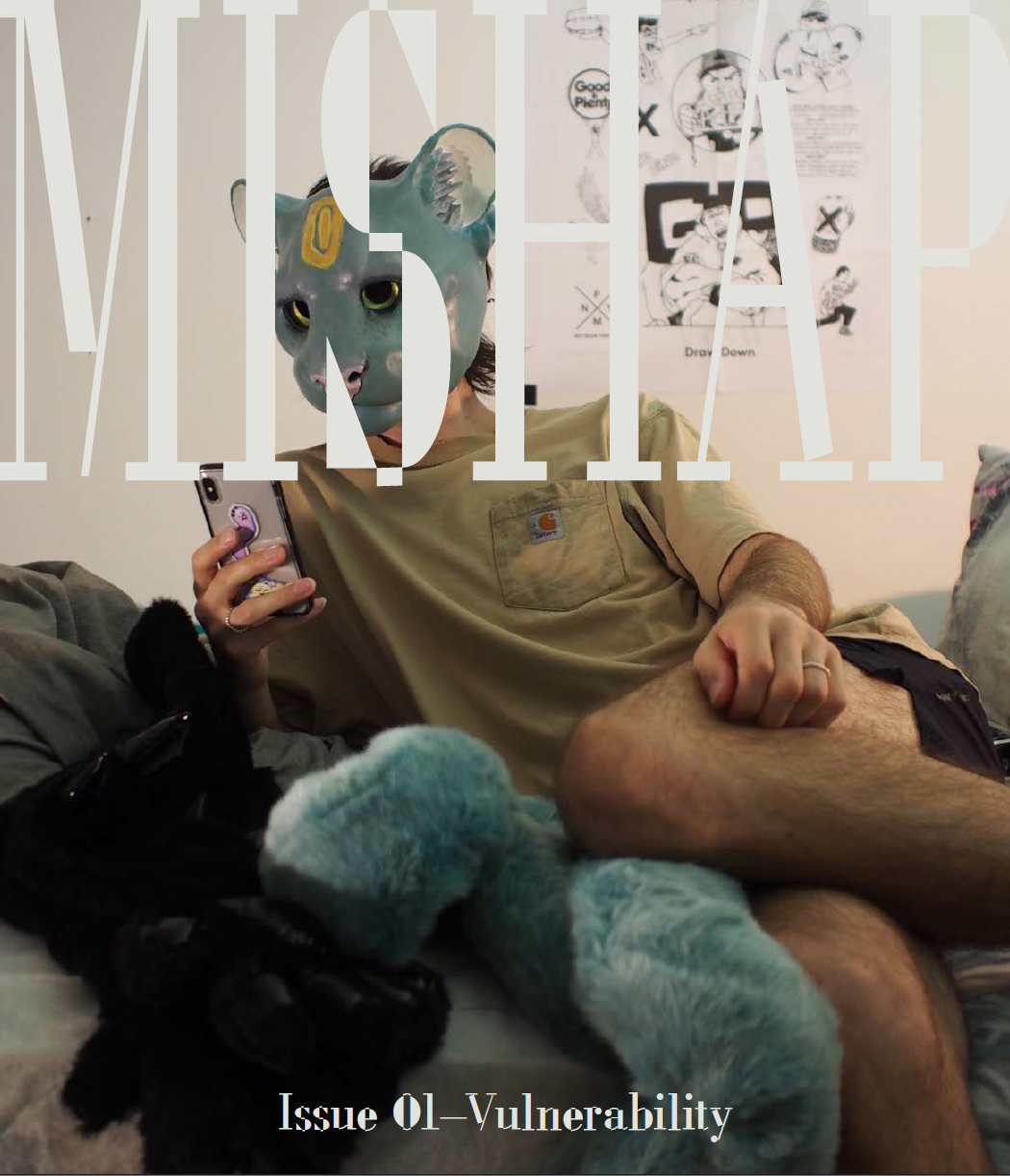
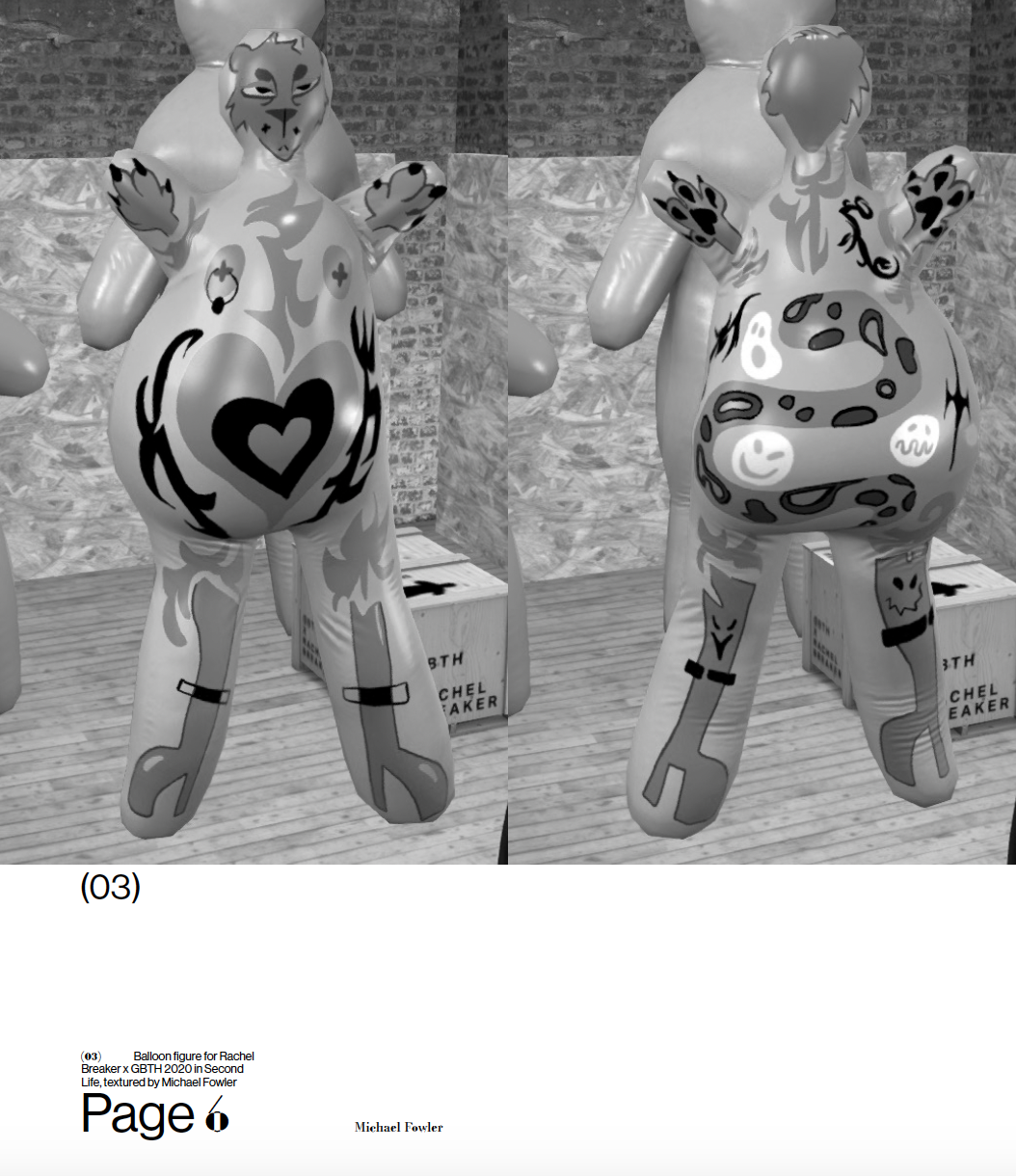
The journal highlights creative works by artists and
designers, and prompts collective thought and dialogue surrounding a
monthly theme.
In collaboration with Manon Fraser.
https://www.are.na/mishap-journal/mishap-vkmdfu_svsw
Neighbourhood Stroll (2020)
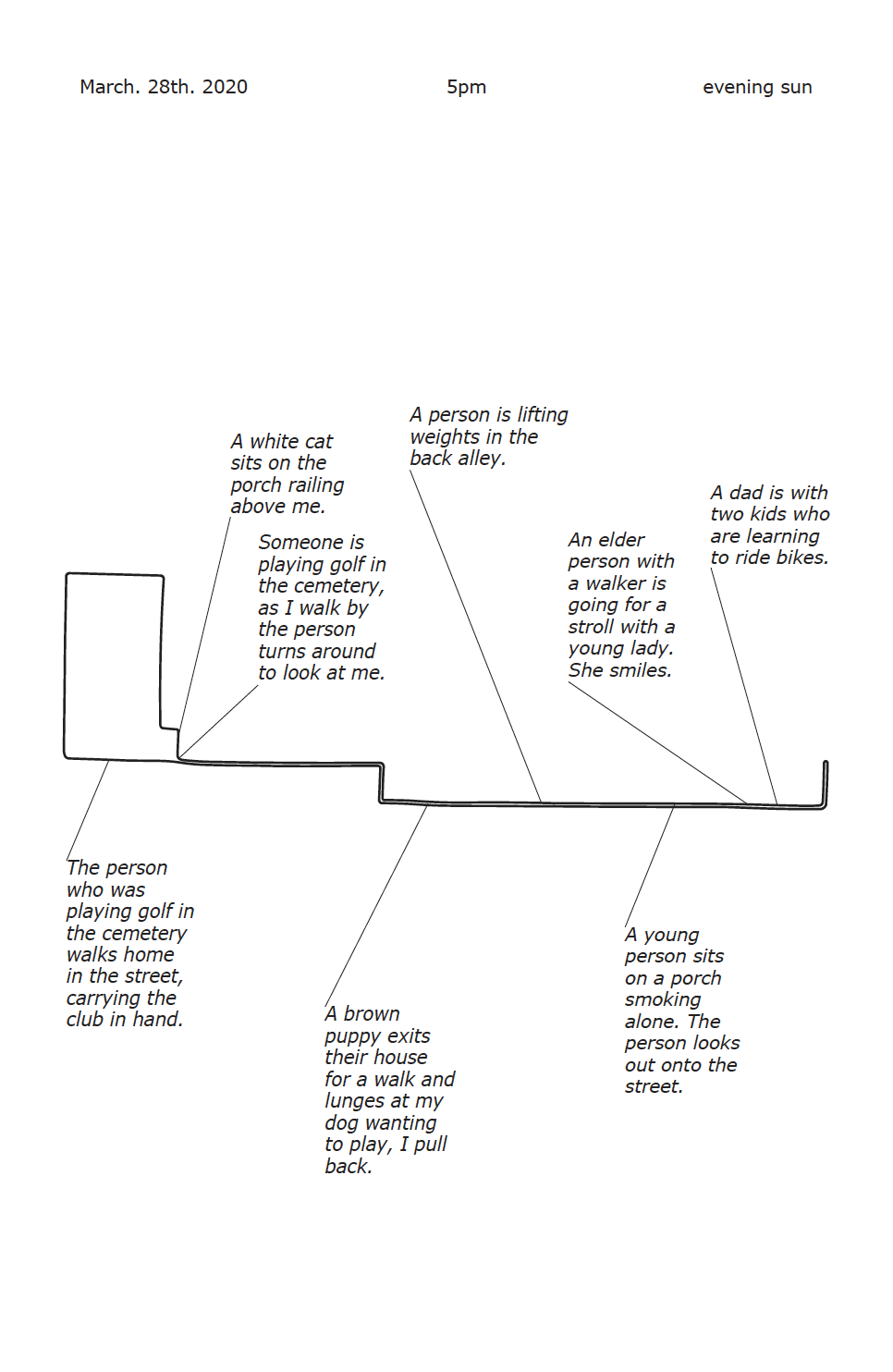
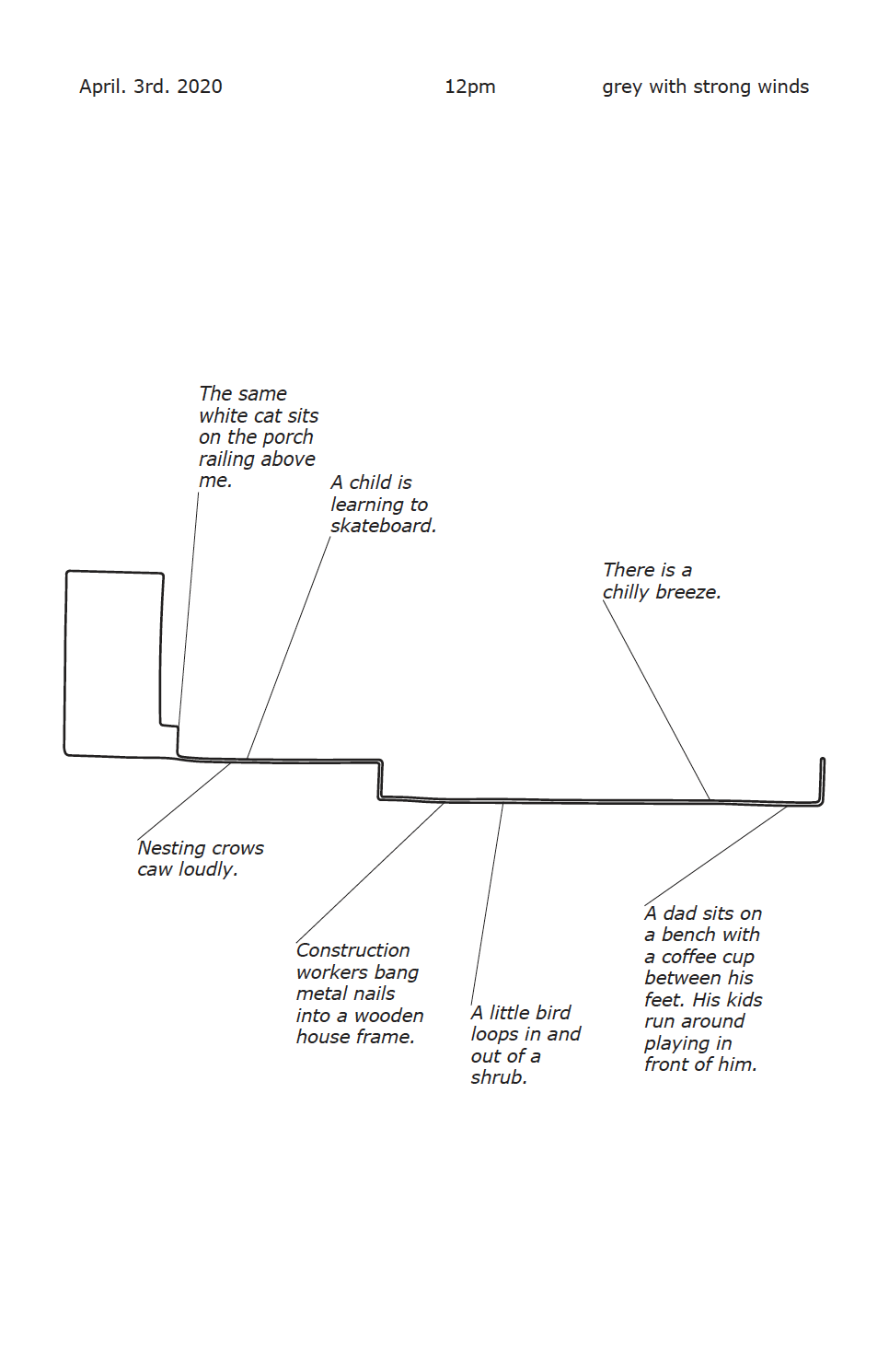
Daily observations and experiences from my neighbourhood walk
For ten days I walked the same route in my neighbourhood, noting my
experiences along the way. By walking the same path every day, I came to
know the spaces that I moved through; they were familiar and sometimes
predictable. I came to know the areas that were high in traffic where
people might gather, I also came to know the areas that were quiet and
perhaps off people’s radar. The walk presented the rhythms and schedules
of my neighbours - I would often have experiences at the same time and
place throughout the week. People in my neighbourhood had their own paths
and spaces that they would consistently situate themselves in. Over the
ten days I watched how people related to space based on their activities,
routines, location, and needs.
A Place For Presence (2020)
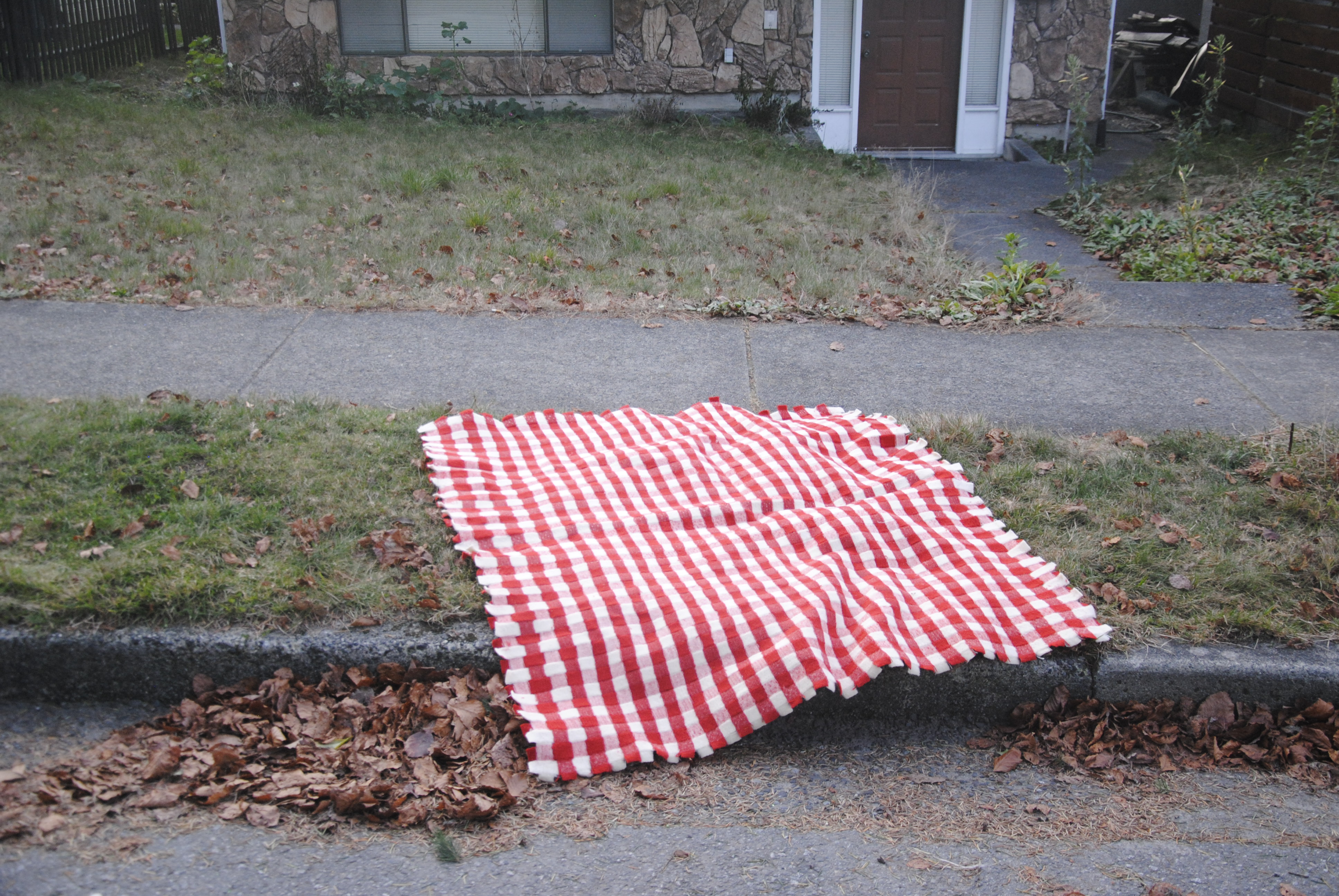
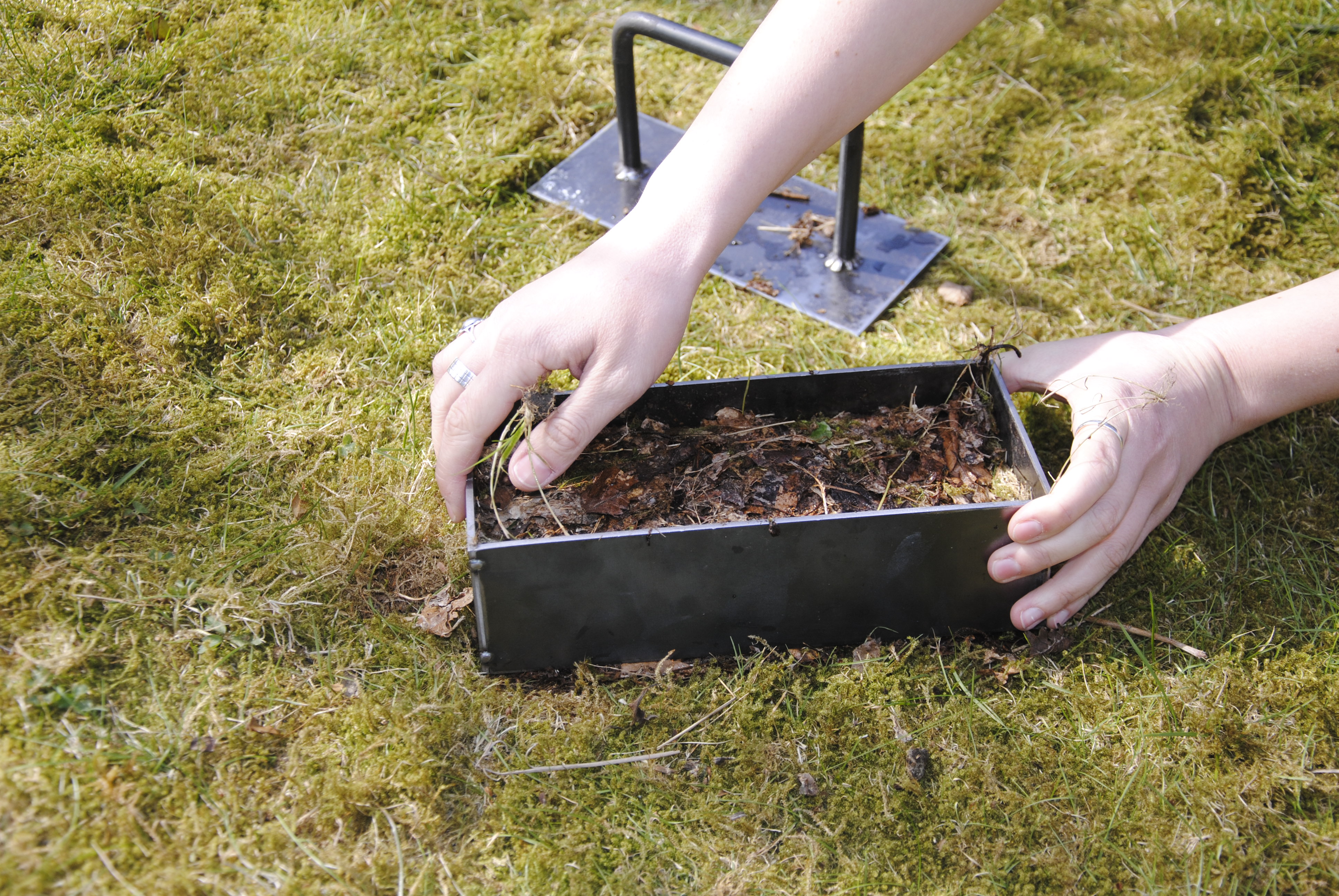
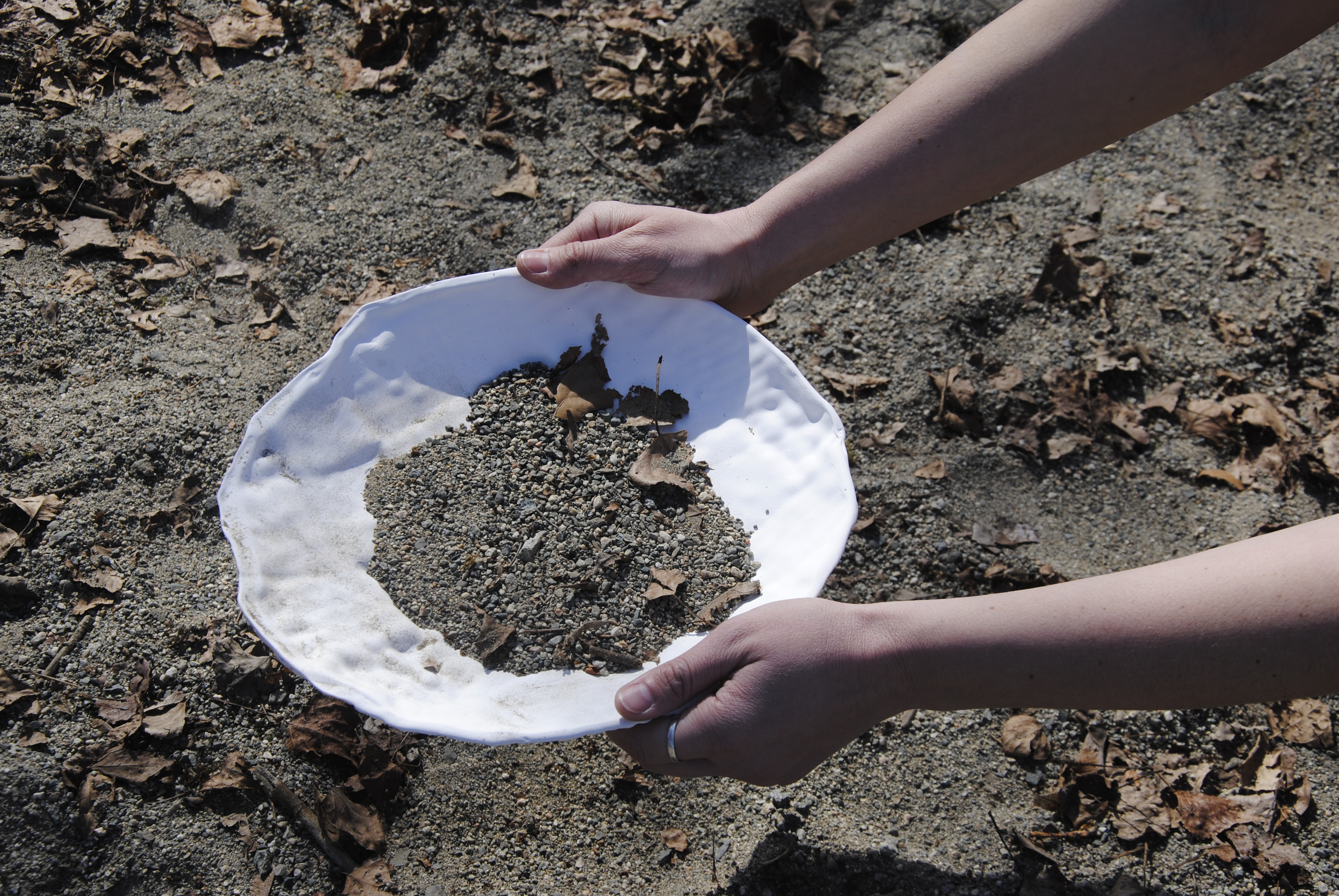
This project explores the temporality of place.
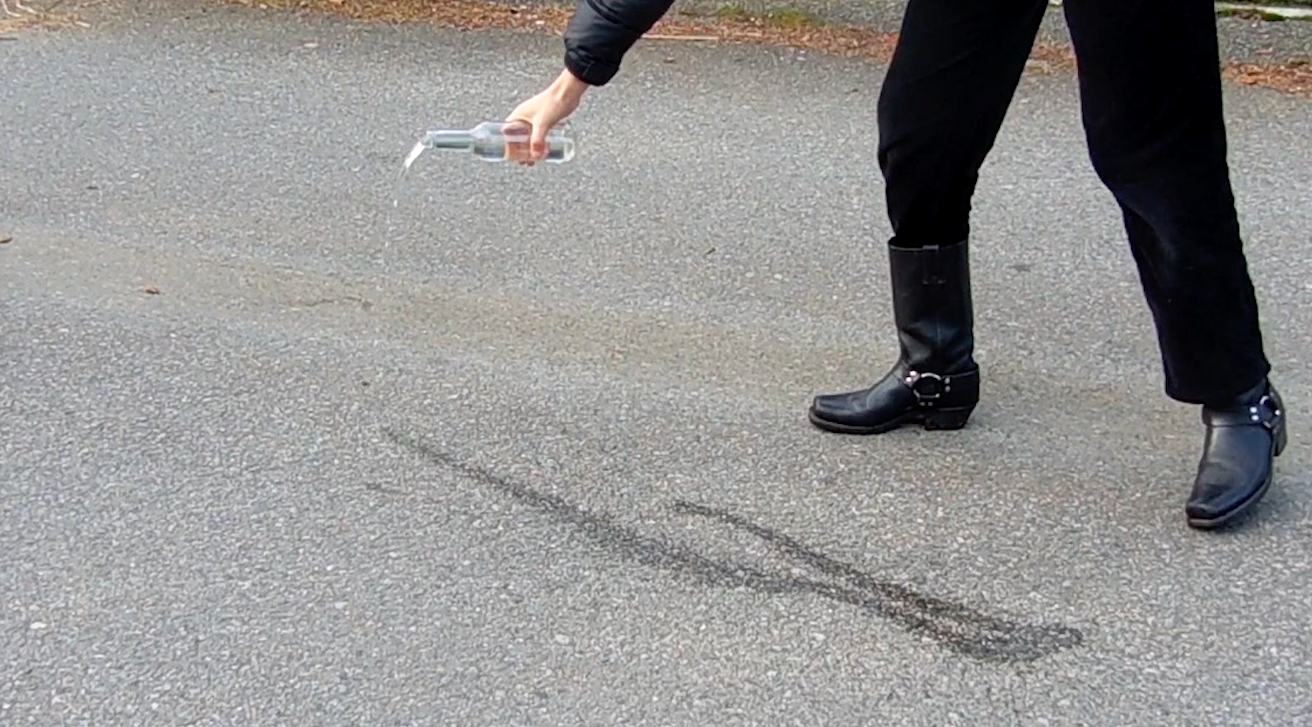
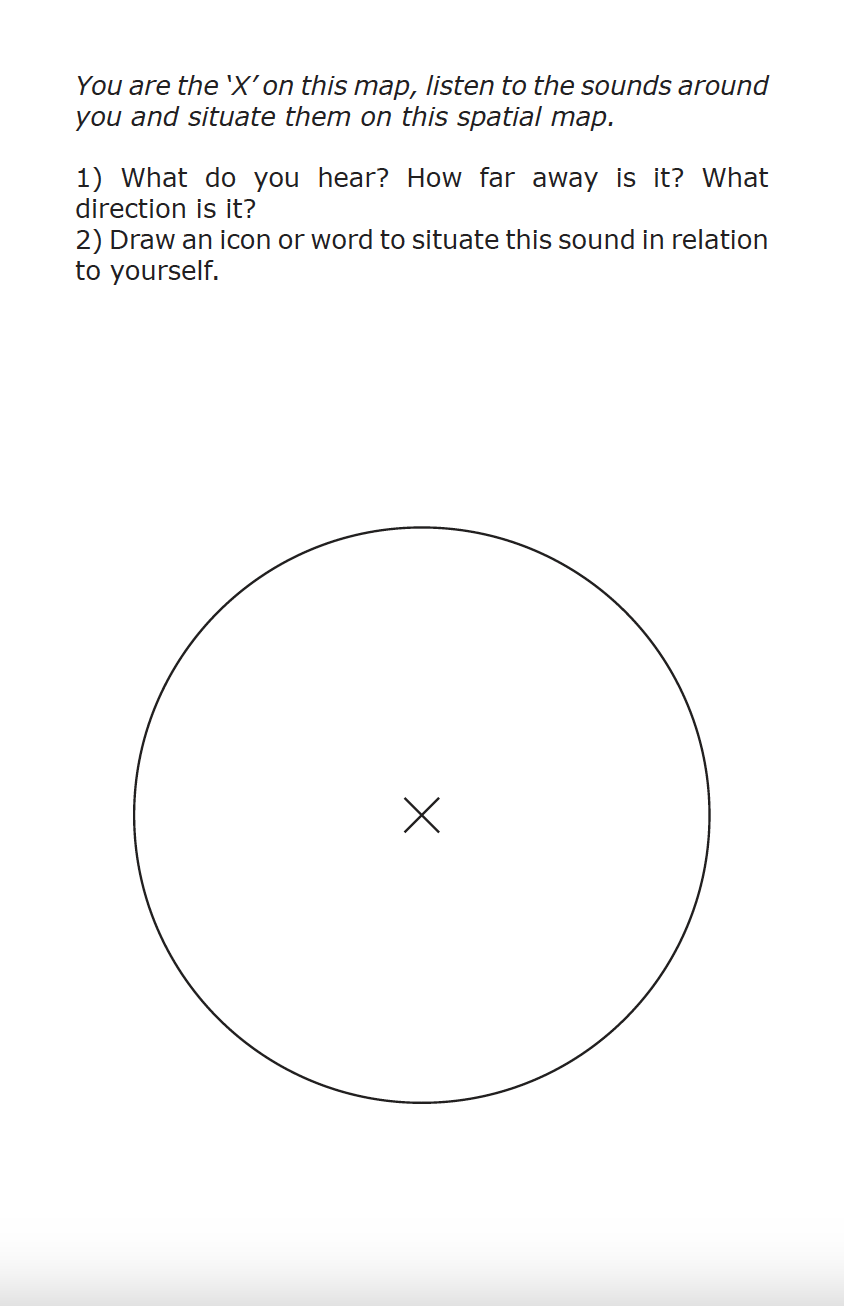
Spatial Prompts (2020)
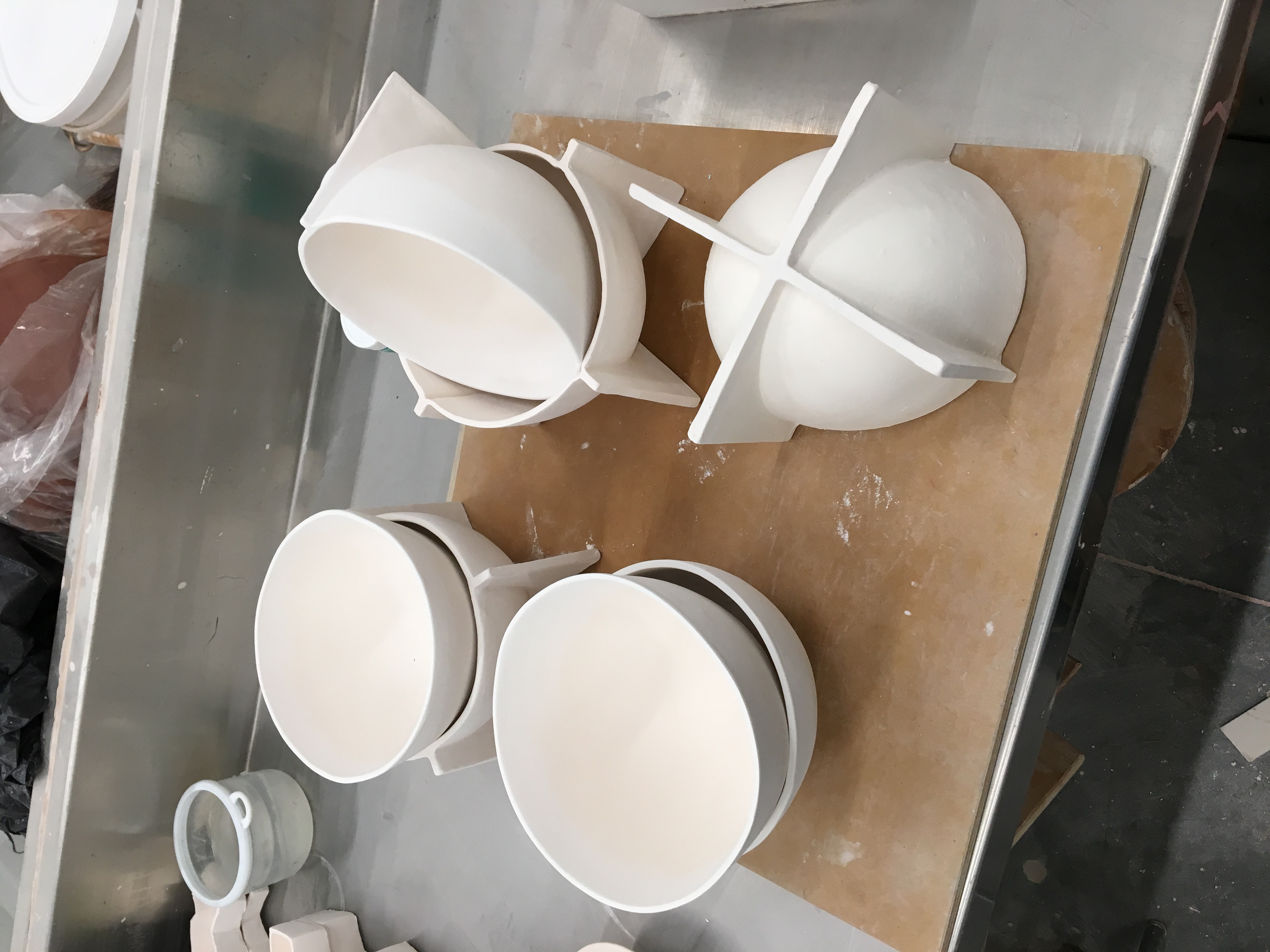
Food Design (2020)
Mending Public Space - Ian Gillespie President’s Discretionary Fund (2019)
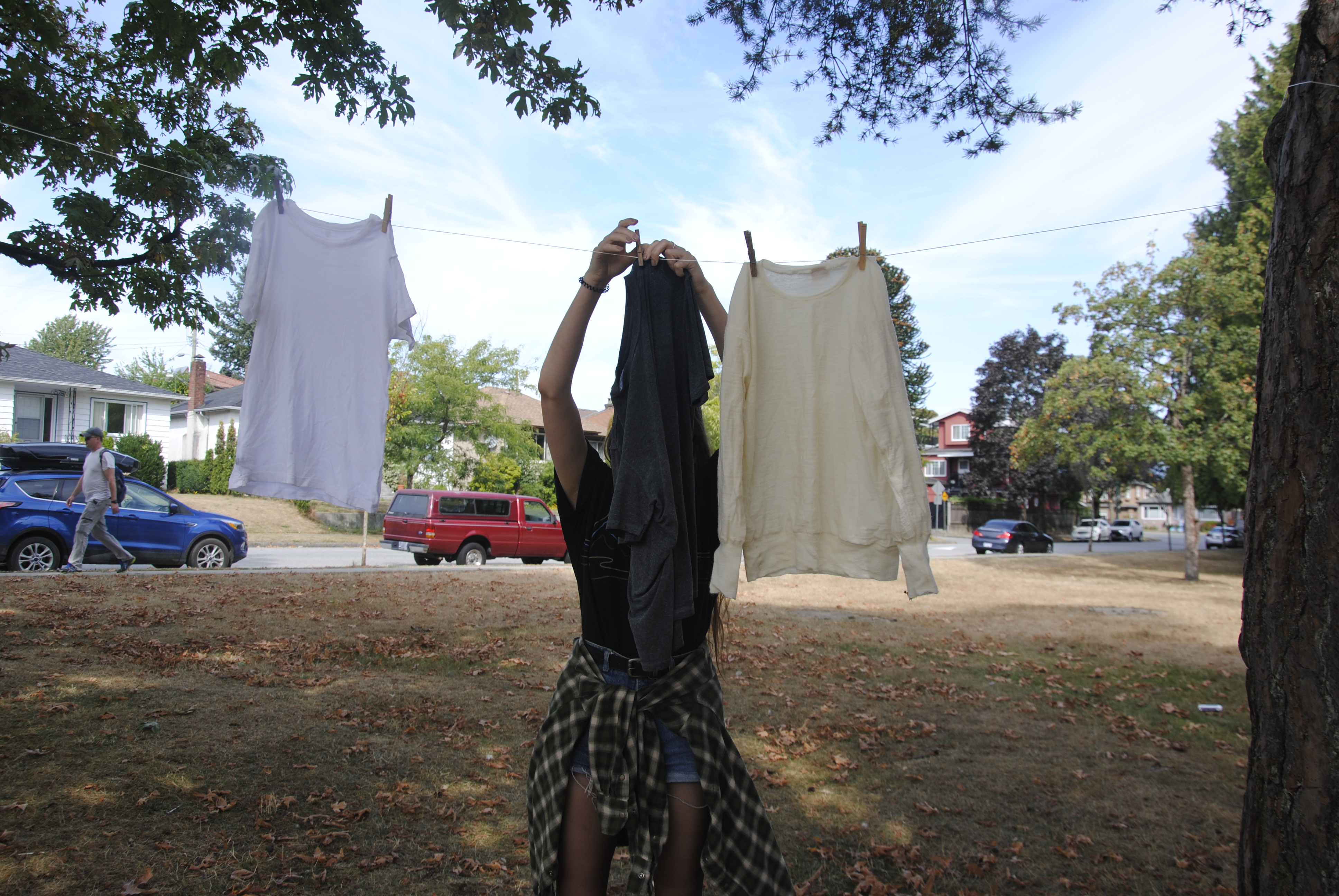
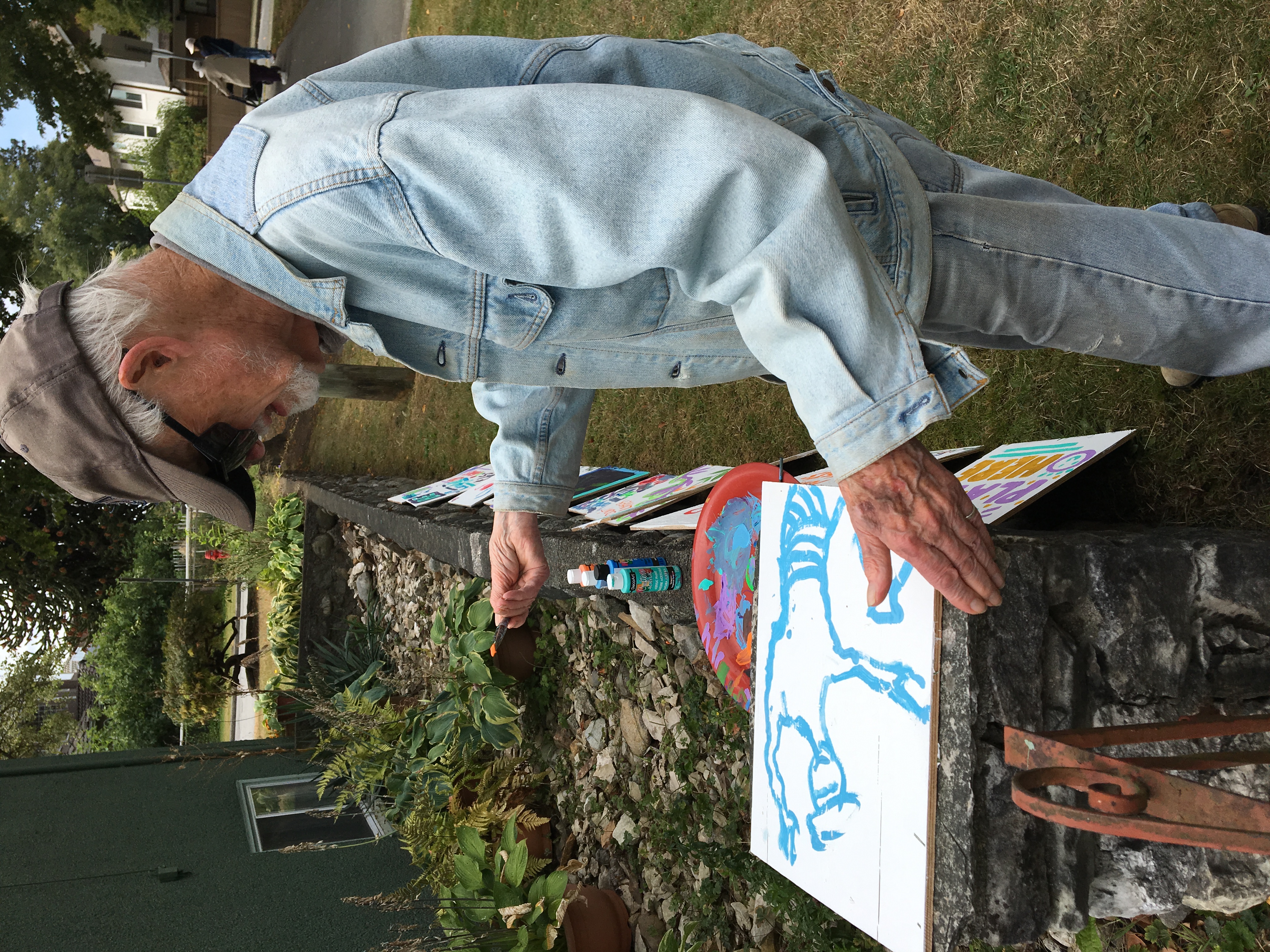
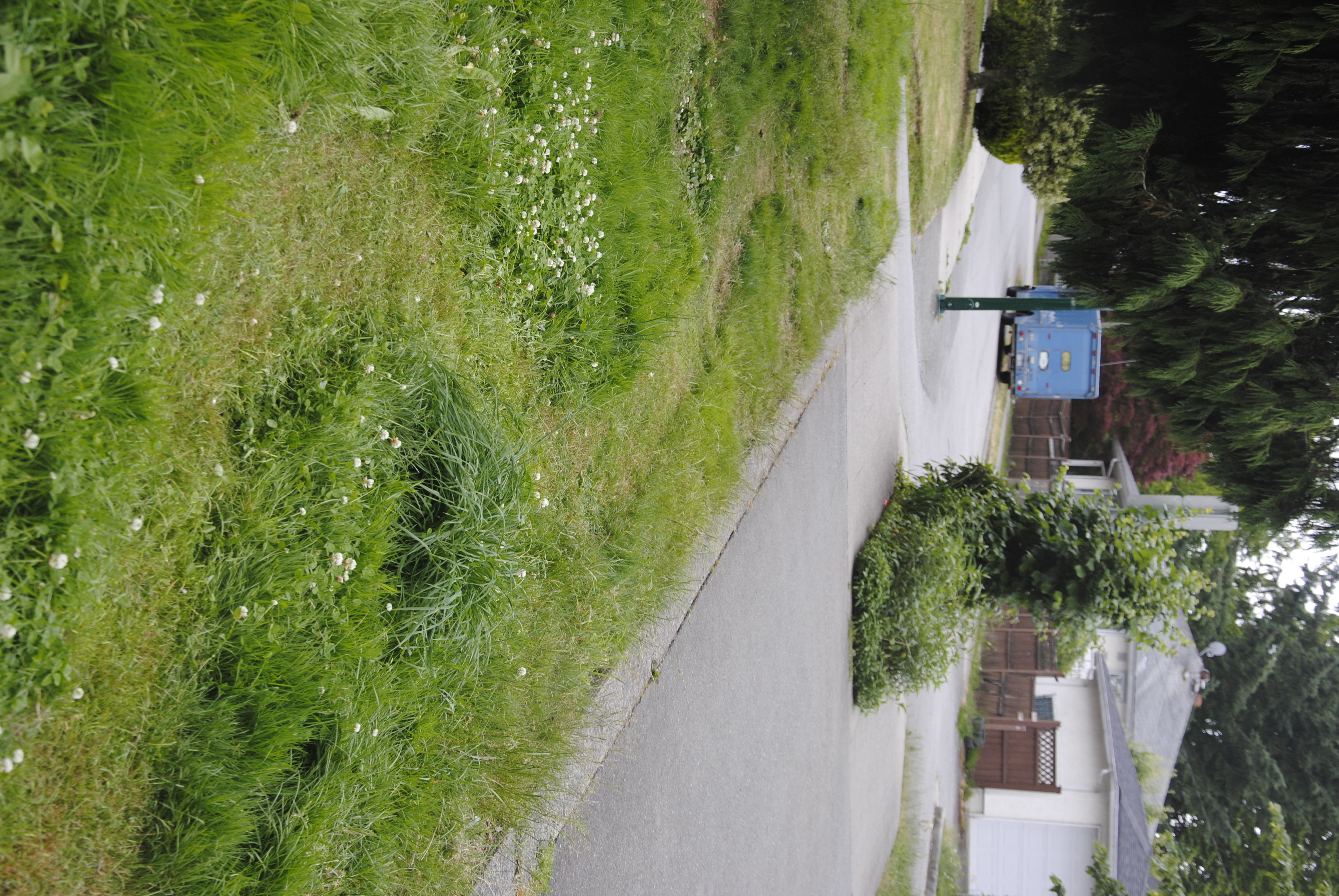
In this project, both physical and social aspects of ‘mending’ were
considered within public space through a series of community workshops and
public interventions. These included hanging laundry in the park, mending
fences by weaving in broken sections, 'Messages for Our Neighbours' a sign
making workshop, and mowing pedestrian pathways alongside bike routes.
These workshops and interventions considered the unique social and
physical needs in a public sphere, addressing how public space might be
mended to better suit a community’s needs. I was curious to explore how
people take stewardship of space, and how local needs and desires shape a
collective sense of place.
Unworthy Objects - ECUAD Ecological Design Award (2018)
"What makes an object valuable? What makes one thing worthy of repair
while others are discarded? Can a disposable object evolve into something
more worthy? "These are questions that student Augusta Lutynski explores
in her project Unworthy Objects. Augusta conducted research that evolved
into a series of projects focusing on engaging and educating people in the
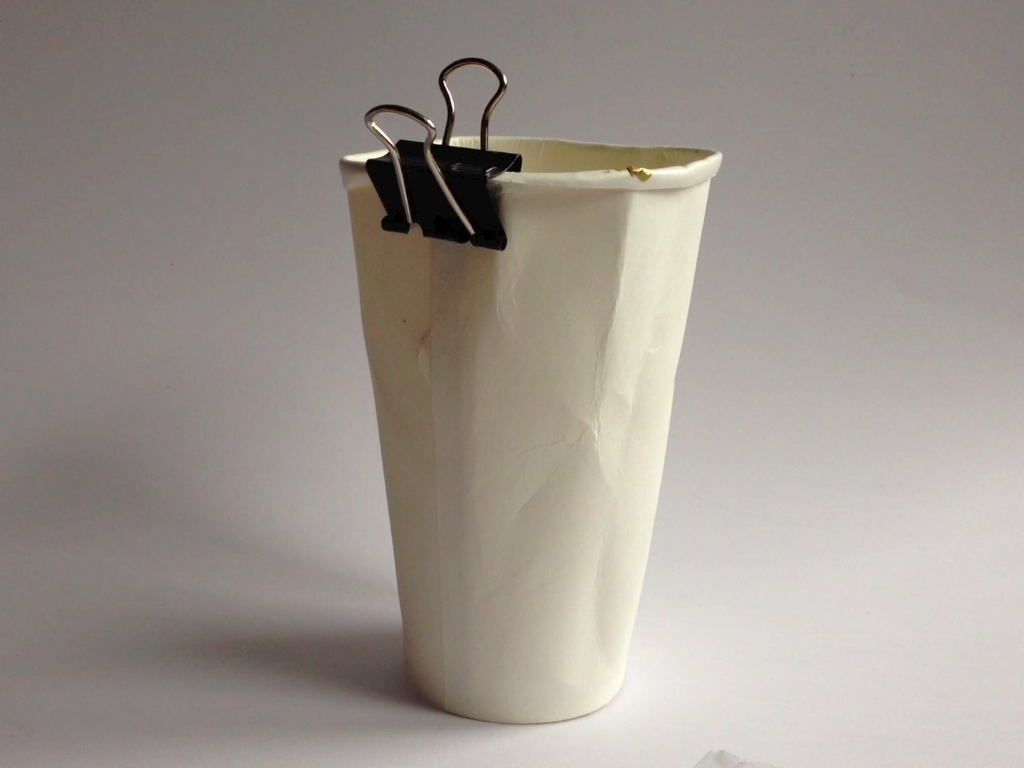
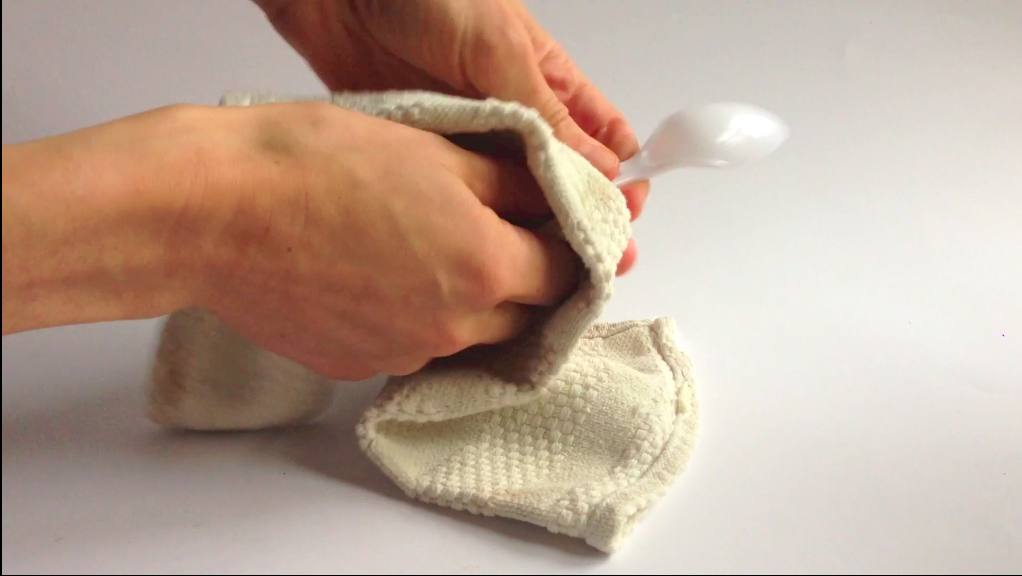
practice of mending objects deemed “unworthy”. Unworthy Objects is
comprised of object-mending tutorials in the form of videos, step-by-step
"Instructables" and kits, to challenge the unworthiness of
disposable objects.
https:www.instructables.com/How-to-Mend-a-Pencil
https://www.ecuad.ca/news/2018/unworthy-objects
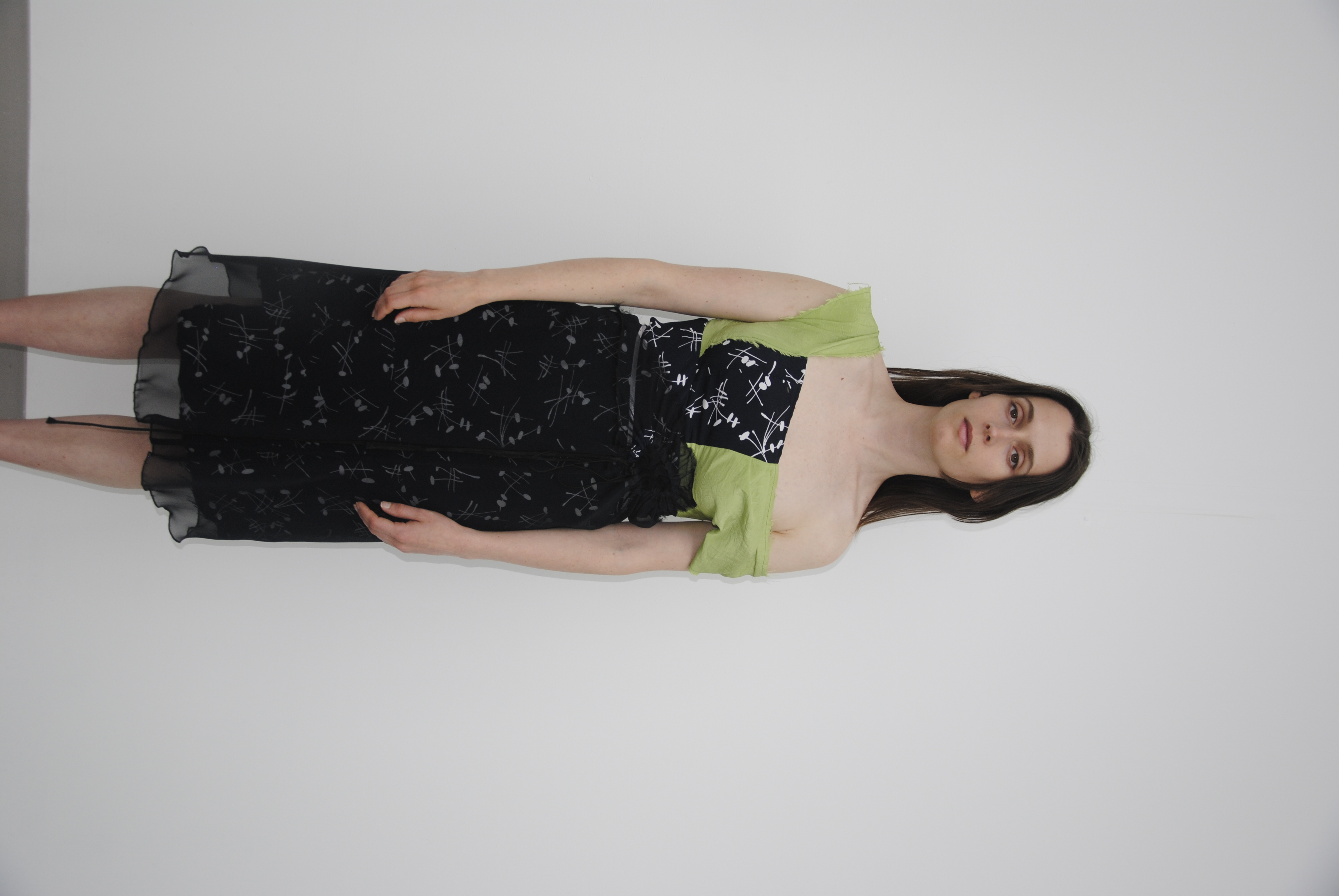
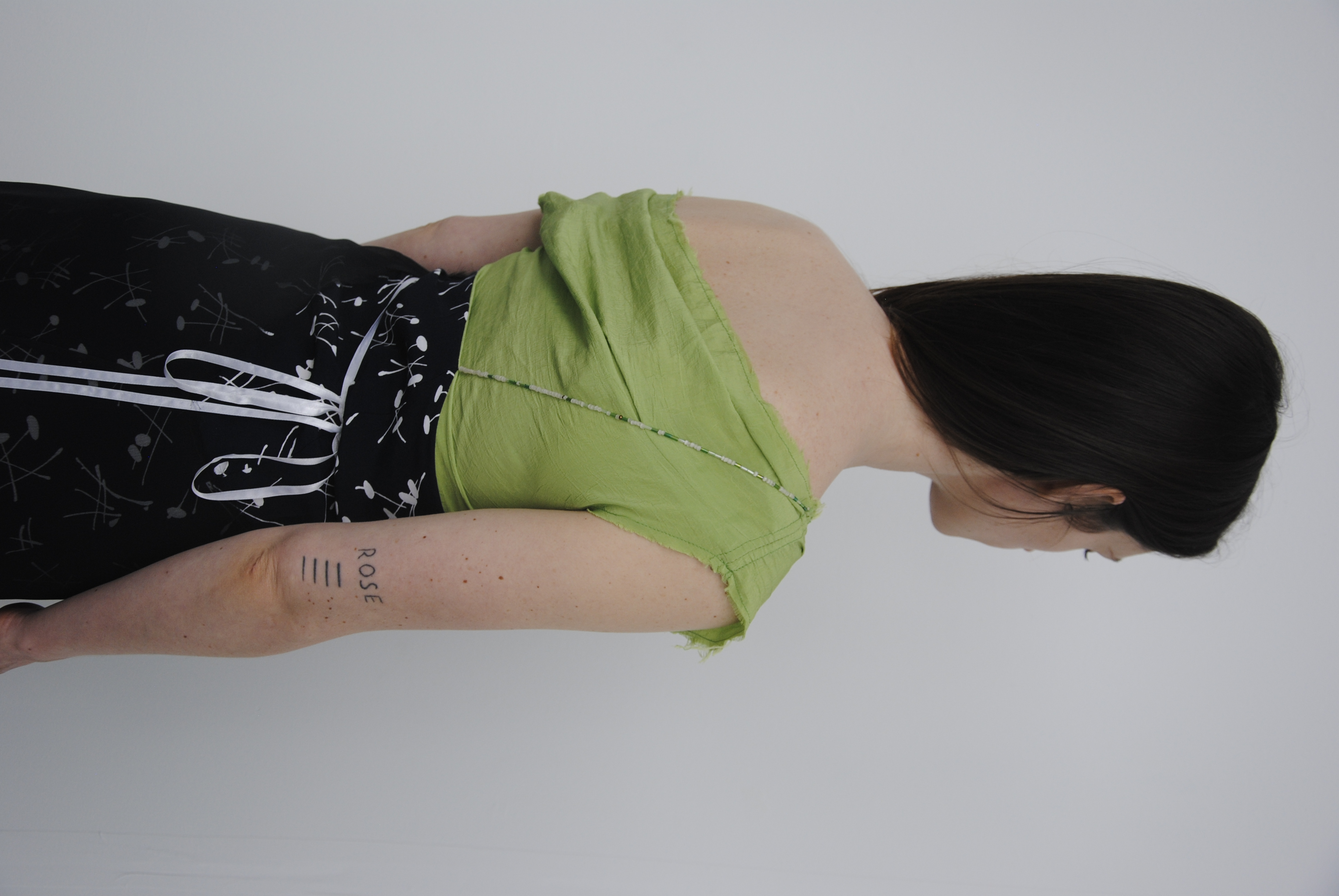
a dress for Cora (2018)
Shoemaking (2017)
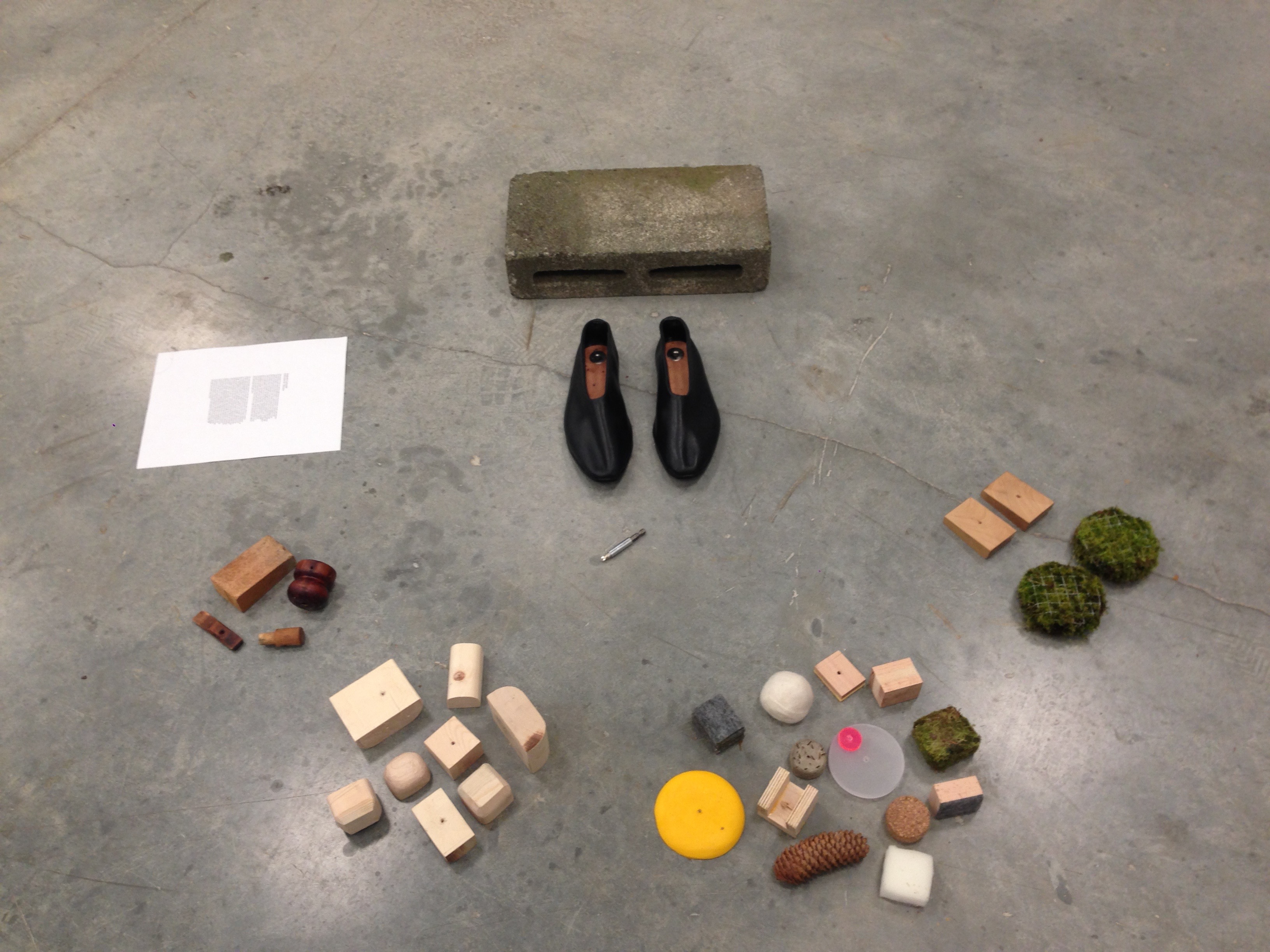
Shoemaking (2015)